Top 5 European Nations Where Starting a Business Is a Piece of Cake
Discovering the Top Five European Hubs for New Business Ventures
Choosing the right country can dramatically influence a startup’s success. With diverse cultures, policies, and market dynamics, Europe offers a variety of environments that might suit different entrepreneurial visions.
1. Germany – The European Powerhouse
- Strong industrial infrastructure and access to a large, skilled workforce.
- Transparent regulatory framework and robust intellectual‑property protection.
- High per‑capita innovation funding and a significant presence of venture capitalists.
2. Sweden – Innovation and Sustainability
- Leading in green technology and digital services.
- Exceptional support for research & development and generous tax incentives for startups.
- A culture that encourages work‑life balance, attracting global talent.
3. Netherlands – A Gateway to Europe
- Strategic location with excellent logistics and shipping hubs.
- Favorable tax regime for small businesses and flexible financial regulations.
- Strong focus on digital infrastructure and international trade.
4. Finland – A Tech‑Driven Ecosystem
- Dedicated government grants for tech startups and a flourishing venture capital scene.
- High levels of digital education and a culture of innovation.
- Low bureaucracy and transparent administrative processes.
5. Portugal – Emerging Growth Hotspot
- Competitive costs of living and operational overheads.
- Government support through incentives for foreign entrepreneurs.
- Rapidly expanding startup ecosystem focused on fintech, biotechnology, and tourism.
Each country presents unique strengths; assessing them with regard to your industry, product, and growth goals will guide you toward the most suitable marketplace.

Launching a Small or Medium Enterprise in Europe: A Fresh Outlook
Increased Accessibility for New Businesses
Starting a small or medium‑sized company across Europe is often perceived as intimidating, but recent developments have made the process far more approachable. While some states maintain rigorous regulatory frameworks—especially for non‑EU citizens—many others now actively foster an environment that welcomes both local and international entrepreneurs.
Post‑COVID and Energy‑Crisis Momentum
In the wake of the pandemic and ongoing energy challenges, European governments have amplified their commitment to supporting SMEs. This shift is evident through a broad array of financial and advisory programs designed to lower barriers and stimulate growth.
Key Financing and Support Schemes
- Single Market Programme – grants and investment for market‑integrated projects.
- Connecting Europe Facility (CEF) – funding for connectivity, transport and digital infrastructure.
- Horizon Europe – research and innovation initiatives backed by public and private funds.
Essential Knowledge Tools for Entrepreneurs
- Your Europe Business Portal – a one‑stop destination for obtaining business registration, financing, and export information.
- Enterprise Europe Network – connects SMEs with business partners, technology partners, and export experts.
- Erasmus for Young Entrepreneurs – cross‑border mentorship and networking opportunities for new business owners.
Why the Shift Matters
These resources and reforms collectively reduce the friction typically associated with starting a new venture in Europe. By tapping into the right combination of financial aids and professional guidance, founders can navigate regulatory landscapes more effectively and focus on building sustainable business models.
Next Steps for Aspiring Entrepreneurs
To make the most of these opportunities:
- Identify which countries offer the most favorable regulatory environment for your industry.
- Explore available funding streams early in the planning stage.
- Leverage knowledge portals to stay informed about compliance and market trends.
EU home to 24.4 million SMEs in 2023
European SMEs: A Cornerstone of Economic Activity
Statista reports that in 2023 the European Union hosted approximately 24.4 million small and medium‑sized enterprises (SMEs), employing almost 85 million people. These firms comprise nearly 99.8 % of all functioning businesses on the continent and serve as the lifeblood of local communities and regional economies.
Key Factors for Assessing Business Ease
The World Bank’s Ease of Doing Business index evaluates a nation’s business climate across ten critical dimensions:
- Starting a new business
- Obtaining construction permits
- Accessing reliable electricity
- Registering real‑estate ownership
- Securing credit facilities
- Safeguarding minority shareholders
- Fulfilling tax obligations
- Carrying out cross‑border trade
- Enforcing legal contracts
- Managing insolvency proceedings
While no country excels uniformly across all categories, the following European nations stand out as most conducive to launching a venture:
Top Easy‑Business Destinations in Europe
(The list of countries will follow here.)
Ireland
Building a Business in Ireland
Digital Infrastructure and Connectivity
Ireland boasts a highly digital society, with 90% smartphone penetration and 92% household internet access. This robust connectivity creates an ideal environment for tech‑focused enterprises.
Government Support and Startup Ecosystem
Each year Enterprise Ireland backs approximately 200 startups, signalling a strong, welcoming stance toward entrepreneurs from around the globe.
Key Institutions that Shape the Business Landscape
According to the World Bank’s 2020 “Doing Business in the EU: Ireland” report:
- Cork: Fast contract enforcement and streamlined electricity procurement.
- Dublin: Strong performance in contract enforcement, electricity supply, and company formation.
- Waterford: Leading the way in construction permit issuance.
- Galway: Excels at property registration and business establishment.
EU Membership and Economic Benefits
- Part of the EU, OECD, and Eurozone.
- Uses the euro and maintains English as a primary language.
- Facilitates seamless trade across the EU and eliminates foreign‑exchange or translation costs.
Ease of Entry for Non‑Irish Entrepreneurs
- Entrepreneurs from the UK, Iceland, Norway, Switzerland, and EU members are exempt from permits or visas.
- Supports remote company setup and registration for non‑EU citizens.
- Offers one of the lowest corporate tax rates globally: 12.5%.
- Maintains Double Taxation Treaties with approximately 72 countries.
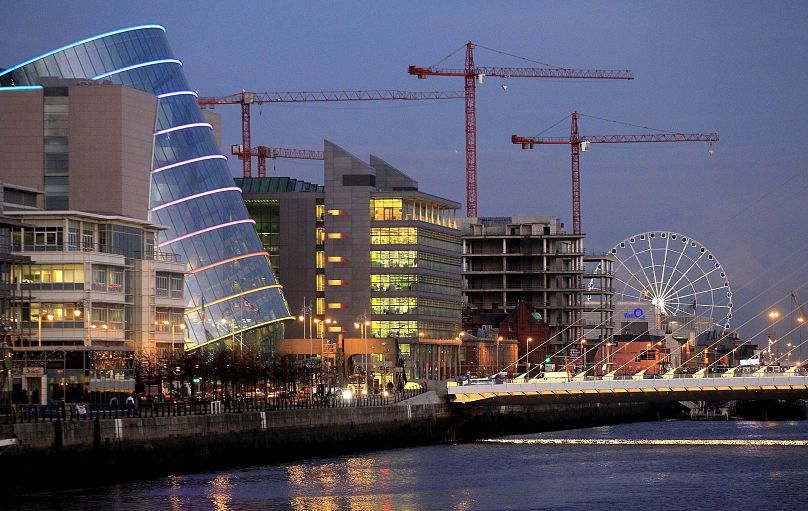
Dublin: A Pillar of Europe’s Tech Landscape
By Innovation Correspondent
Setting the Stage
A striking image of Dublin captured in 2010 showcases the city’s bustling financial district, where countless multinational technology firms—such as Google, Apple, and Microsoft—have established their European headquarters. The photo, taken by Peter Morrison for Associated Press, illustrates the city’s pivotal role in the global tech ecosystem.
Why Dublin Matters
- Strategic Location – Situated at the crossroads of North America and continental Europe, Dublin offers companies unrivaled market accessibility.
- Talent Reservoir – Home to a rich pool of highly educated professionals and a thriving start‑up culture.
- Tax Incentives – Favorable corporate tax rates attract foreign investments and encourage local innovation.
Beyond Dublin: Pay Scales Across Europe
The question of which European nations command the highest and lowest salaries is often debated among industry analysts. Below is a concise snapshot of current trends:
High‑Salary Regions
- Switzerland – Known for premium wages and a robust financial sector.
- Norway – Strong salary packages due to a high cost of living and abundant natural resources.
- Luxembourg – Competitive compensation driven by its banking and fintech industries.
Low‑Salary Regions
- Portugal – Offers lower wage levels relative to Western European counterparts.
- Greece – Economic challenges have suppressed average salaries.
- Bulgaria – Known for some of the lowest average wages across the EU.
Future Outlook
With continuous growth in technology sectors and further relocation of European headquarters to Dublin, the city’s influence is set to expand. Monitoring salary patterns across Europe will remain essential for talent recruitment and strategic planning.
Bulgaria
Why Bulgaria Has Become a Hotspot for New Businesses in Eastern Europe
Streamlined Setup Process
Starting a company in Bulgaria is remarkably quick—most registrations can be complete within just a few weeks. The country’s minimal bureaucratic hurdles mean entrepreneurs can focus on their ideas rather than paperwork.
Low Operational Costs
- Administrative fees are among the smallest in the region.
- Corporate taxation is capped at only10%.
- No land‑ownership restrictions for foreign firms, making real‑estate acquisition straightforward.
Talent and Market Access
Bulgarian workers are multilingual and highly skilled, yet they come at a price well below many Western European counterparts. This makes the country an appealing base for companies seeking cost‑effective labor while operating in the European Single Market.
Geostrategic Advantage
- Located in Southeast Europe, the country offers easy reach to Greece & Turkey.
- It also opens doors to neighboring economies such as Serbia and North Macedonia.
Remote Company Registration
Entrepreneurs can now register their firms online, eliminating the need for physical presence throughout the setup process.
Potential Challenges
Despite its many strengths, Bulgaria still faces issues like corruption. Businesses should carefully evaluate their intended location and business model to navigate these risks effectively.
Key Takeaways
- Fast, inexpensive company formation.
- Low taxes and fees.
- Access to skilled labor and EU markets.
- Strategic geographic positioning.
- Remote registration available.
- Be mindful of corruption when choosing operations.
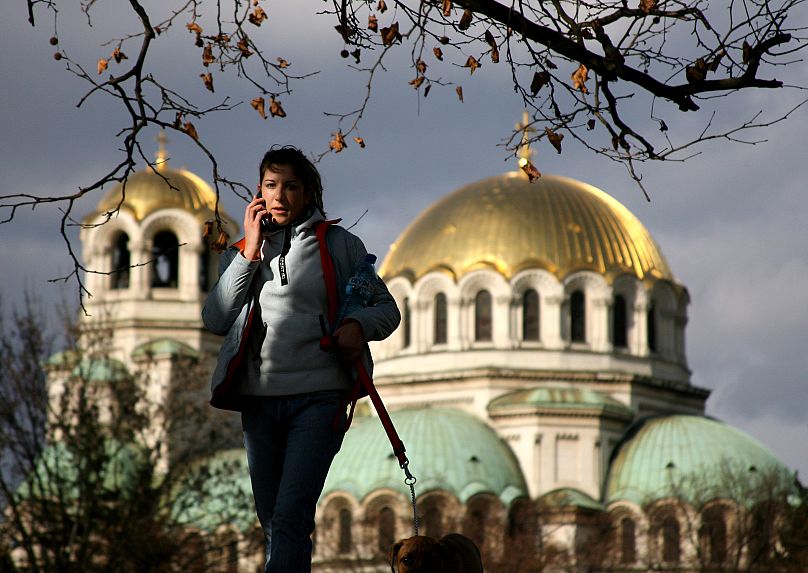
Scene at Sofia’s Iconic Cathedral
Photo: A young Bulgarian woman walking past the golden-domed Alexander Nevsky Cathedral. By: Petar Petrova/AP.
Netherlands
Netherlands Stands as a Major EU Economic Powerhouse
Per the World Economic Forum, the Netherlands holds the position of the fifth biggest economy within the European Union, boasting a gross domestic product of roughly $990.6 billion (about €918.7 billion). This translates to a contribution of approximately 5.96 % of the entire EU economy.
Strategic Position and Talent Pool
The country’s prime location in Western Europe and its exceptionally cosmopolitan, highly educated workforce make it an attractive destination for businesses worldwide.
Government Incentives and Tax Environment
Although the corporate tax rate sits slightly above that of some other European countries at 25.8 %, many entrepreneurs find the cost reasonable when weighed against the regional advantages.
- Entrepreneur Allowance – A financial support to help new ventures kick off.
- 30% Ruling – Allows employers to pay 30 % of foreign talent’s salaries tax‑free.
- Research and Development Subsidies – The government refunds various expenses linked to scientific research and the creation of innovative products.
Preferred Industry Sectors
The Dutch market is especially well‑suited for high‑tech companies, including those in robotics, artificial intelligence, and retail sectors.
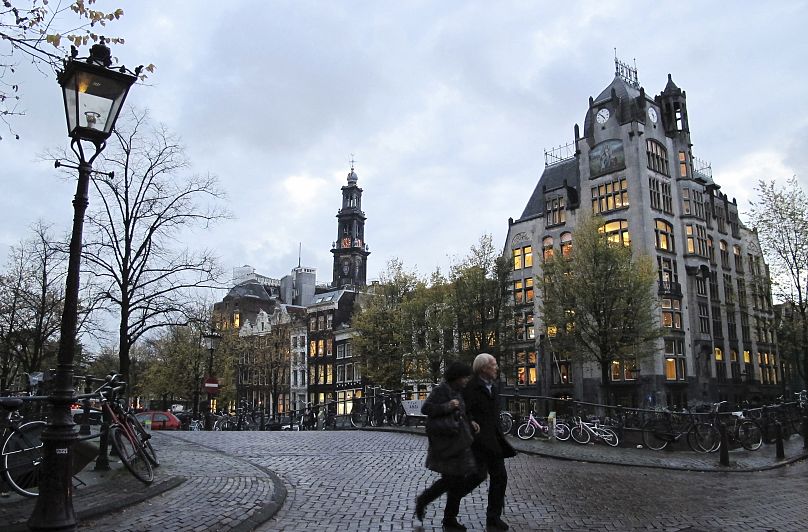
Amsterdam, Economic Beacon in Europe
Location and Significance
Amsterdam stands as the vibrant capital of the Netherlands, a nation that ranks as the fifth-largest economy in the European Union. Positioned along the heart of the North Sea, its extensive network of canals and historic architecture not only attracts millions of tourists annually, but also anchors key economic activities.
Economic Landscape
- Port Operations – The Port of Amsterdam, one of the largest in the region, handles a substantial volume of cargo, supporting trade across the continent.
- Financial Services – With major banks and fintech firms headquartered here, the city is a central hub for finance, wealth management, and digital banking.
- Innovation and Research – Universities and research institutes drive innovations in sustainability, biotechnology, and information technology.
- Creative Industries – Film production, design studios, and media companies contribute significantly to the cultural economy.
Cultural Highlights
- Historic Architecture – The iconic canal houses, the Rijksmuseum, and the Van Gogh Museum showcase centuries of art and history.
- Multicultural Lifestyle – Amsterdam’s diverse neighborhoods host a multitude of festivals, languages, and culinary delights.
- Green Initiatives – The city’s commitment to cycling infrastructure and renewable energy positions it as a leader in sustainable urban living.
Conclusion
In short, Amsterdam’s blend of historical charm, modern innovation, and economic vitality makes it a cornerstone of the Netherlands’ status as a powerhouse within the European Union. Whether looking to invest, explore culture, or simply experience a cosmopolitan city, Amsterdam continues to attract global attention and economic opportunities.
Sweden
Sweden’s Digital and Economic Mastery
Standing in the Network Readiness Index 2020
Thanks to world‑class infrastructure and innovative technology, Sweden secured the second spot in the 2020 Network Readiness Index. This measure highlights how well a country is prepared for digital advancement and how eagerly its citizens, businesses, and government embrace new technologies.
Why Tech Entrepreneurs Love Sweden
- Early‑adoption culture that embraces emerging solutions instantly.
- Home to industry leaders such as Ericsson, AstraZeneca, Volvo, and Sandvik, as well as rising stars like Klarna and Spotify.
- Robust support infrastructure for start‑ups and venture capital.
The Pillars of Sweden’s Business Landscape
As the largest economy in Scandinavia, Sweden boasts:
- A thriving construction sector that builds resilient infrastructure across Northern Europe.
- Attraction of construction entrepreneurs, further fueling industry growth.
- Stability in government and low corruption levels, making it an appealing destination for innovation.
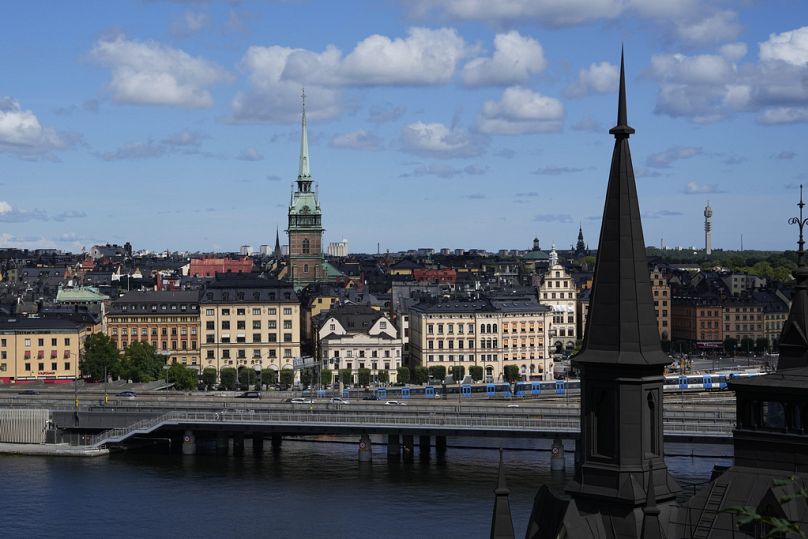
Sweden Shoots to Second Place in the 2020 Network Readiness Index
In the most recent edition of the Network Readiness Index, Sweden has clinched the second spot among global competitors.
Key Highlights of Sweden’s Performance
- Digital Infrastructure – Advanced broadband networks and widespread mobile penetration.
- Government Strategy – Strong policy support fostering innovation and digital literacy.
- Youth Engagement – High levels of online participation and tech-savvy youth culture.
Implications for the Future
Securing this rank underscores Sweden’s commitment to sustaining a resilient digital economy and positions it as a leader in embracing new technologies worldwide.
United Kingdom
Business Landscape in the United Kingdom
Entrepreneurial Activity
The British Business Bank reports that approximately 360,000 new businesses are established in the UK each year, reflecting a robust startup ecosystem.
Company Formation
Setting up a company is remarkably efficient:
- Postal applications are processed within 8–10 days.
- Online applications are approved in as little as 24 hours.
Support for New Enterprises
The UK offers comprehensive support for early‑stage businesses, particularly during periods of low profitability:
- Grants and subsidies aimed at reducing startup costs.
- Business guidance programs that connect entrepreneurs with experienced mentors.
- Buffer periods during which certain tax liabilities are reduced or deferred.
Taxation and Legal Framework
Business operations benefit from a transparent and dependable legal system.
- The municipal and national taxation structure is straightforward.
- The corporate tax rate for limited companies stands at 25%.
- At the end of a company’s life, tax relief is available on proceeds from asset sales.
Workforce Quality
With one‑third of adults holding at least a higher degree, the UK workforce is highly skilled and adaptable, facilitating rapid innovation and growth in emerging sectors.
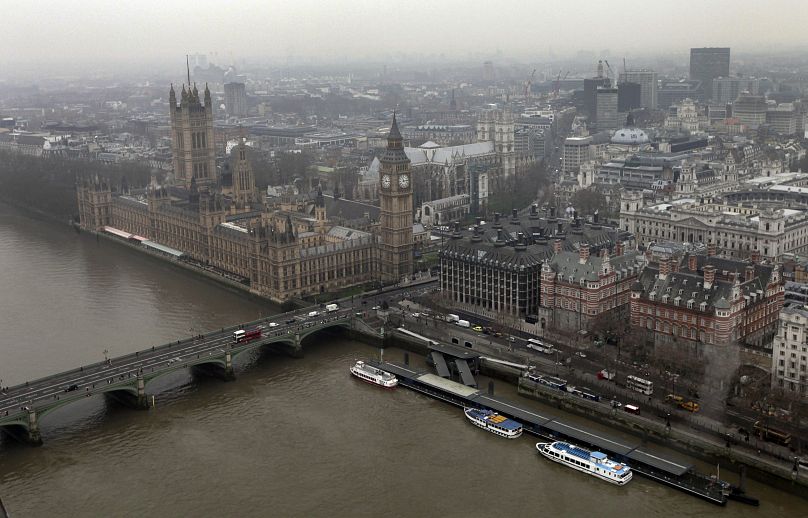
UK’s Robust Fiscal and Legal Landscape: Opportunities for Entrepreneurs
A striking image of the London skyline underscores the United Kingdom’s reputation for a powerful taxation framework and a dependable legal system.
Highly Meticulous Taxation System
- Clear and strategic tax policies that support business growth.
- Efficient compliance processes to reduce administrative burdens.
- Highly transparent tax rates that offer predictability for investors.
Strong Legal Framework
- Robust contract enforcement ensuring fair transactions.
- Reliable dispute resolution mechanisms safeguarding investor rights.
Funding Pathways for Entrepreneurs
- Crucial crowdfunding platforms enabling community-backed ventures.
- Broad array of venture capital options from leading firms.
- Active angel investment networks nurturing start‑ups.
- Government grants, funding and advisory services accessible through multiple departments.
How to Access These Resources
Entrepreneurs can engage with local and national government bodies that specialize in economic development to discover tailored grant programs and professional guidance.