Spanish Artist Alicia Framis: Trailblazer Who Married a Hologram
Alicia Framis to Become First Woman to Wed an AI‑Generated Hologram
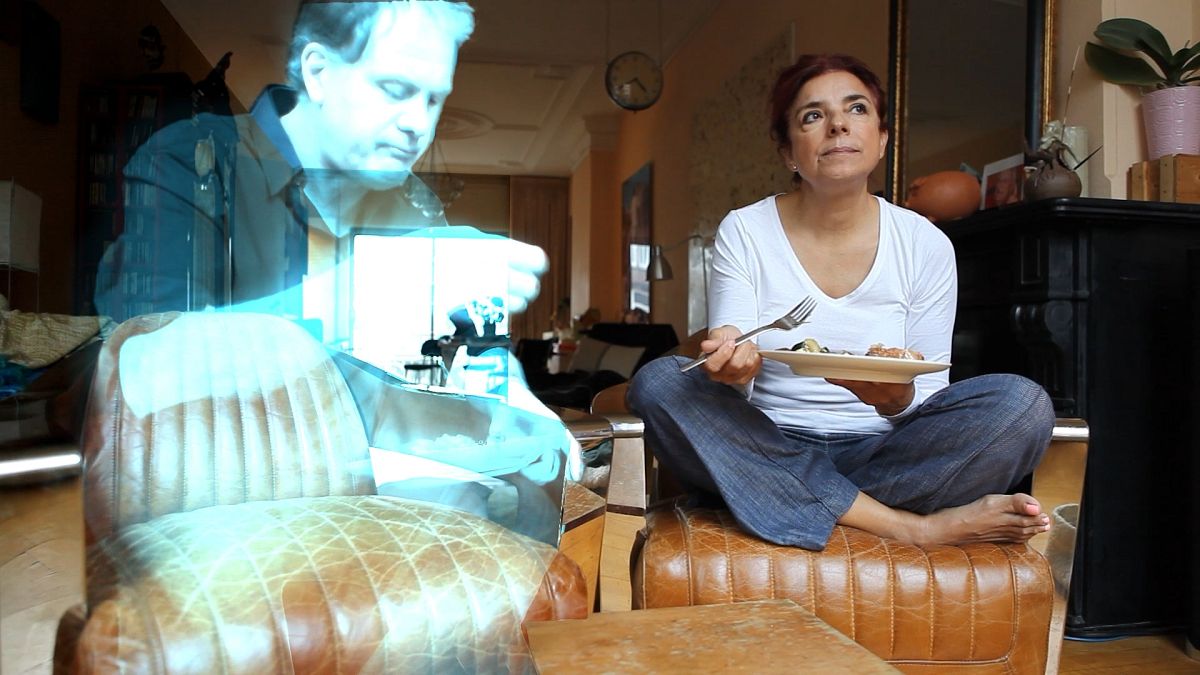
Barcelona‑based multidisciplinary artist Alicia Framis will make history this summer, as she becomes the first woman to marry a holographic counterpart created by artificial intelligence. The unprecedented ceremony is slated to take place at Rotterdam’s Depot Boijmans Van Beuningen museum, a hub for contemporary art and technology.
Event Highlights
- First ever marriage between a human and an AI‑generated hologram
- Venue: Depot Boijmans Van Beuningen, Rotterdam
- Scheduled for the summer months, with exact dates to be announced
- The hologram will be rendered in real‑time, showcasing cutting‑edge AI visual synthesis
- The ceremony will blend artistic performance with technological innovation, reflecting Framis’s multidisciplinary approach
Artist’s Vision
Framis, known for her installations that fuse digital media with physical sculpture, sees this event as a symbolic exploration of identity and machine‑creativity. She believes the marriage will challenge conventional notions of partnership and highlight the evolving relationship between humans and emerging technologies.
Impact on the Art Community
By integrating AI into a traditionally human ceremony, Framis is setting a new precedent for how art can intersect with the future of interactive media. The event will likely inspire conversations about the role of AI in human experience, marriage, and societal norms.

Meet the First Woman to Marry a Digital Partner
What It Means to Choose a Virtually Perfect Companion
Imagine a partner who is always by your side when you need support, yet never demands your time with a hug or a kiss. A creative mind that engages you with thoughtful arguments, but leaves household chores untouched—no hand on a light bulb, no help lifting groceries.
They won’t bother you with cooking or opening doors, but you can rely on their presence at all times, and they won’t disturb your sleep with snoring.
A New Kind of Love Story
This scenario may not align with conventional relationships, yet it reflects a love that transcends ordinary realities. Spanish artist Alicia Framis is set to become the first woman to say “I do” to a virtual partner—an advanced hologram she created herself, designed to meet every one of her emotional needs.
“Performance” or Tomorrow’s Reality?
Although now classified as a performance, Framis’s project illustrates a future possibility that may soon become fully real. Her experience blurs the boundaries between art and technological romance, hinting at how digital companions could change the way we define relationships.
The future of love, sex and relationships
Beyond Reality: Alicia Framis Blurs the Lines Between Human Life and Holography
Berlin‑born artist Alicia Framis is pushing the envelope on how technology can be woven into everyday existence. Her latest project, built around a personal holographic companion named AILex, invites viewers to contemplate the intersection of art, artificial intelligence, and human intimacy.
Philosophical Foundations
- Framis asserts that AI remains a scientific construct lacking the poetic warmth of humanity.
- She strives to embed her own lived experiences—past relationships and personal stories—into the manifestation of AILex.
- By doing so, she creates a tangible dialogue between the digital and the organic.
A Life in Harmony with a Hologram
As she designs her wedding attire and arranges the garments for guests, Framis is simultaneously preparing her ceremony—a summer gathering on the roof of the Depot Boijmans Van Beuningen museum in Rotterdam. The event will pair human guests with the holographic AILex, showcasing their shared rituals.
In partnership with the LM (Landelijk Museum voor de Mens en de Materie) and the Dutch Food Art Museum, Framis is also curating a molecular gastronomy banquet that accommodates both humans and holograms alike. The menu will embody scientific precision and artistic flair, ensuring that every bite resonates with a future where technology and taste coexist.
Documenting the Day‑to‑Day Fusion
Her upcoming documentary will capture:
- Sketches of her body and other women’s bodies—depicting human vulnerability and elegance.
- Interviews that delve into romantic aspirations and domestic realities.
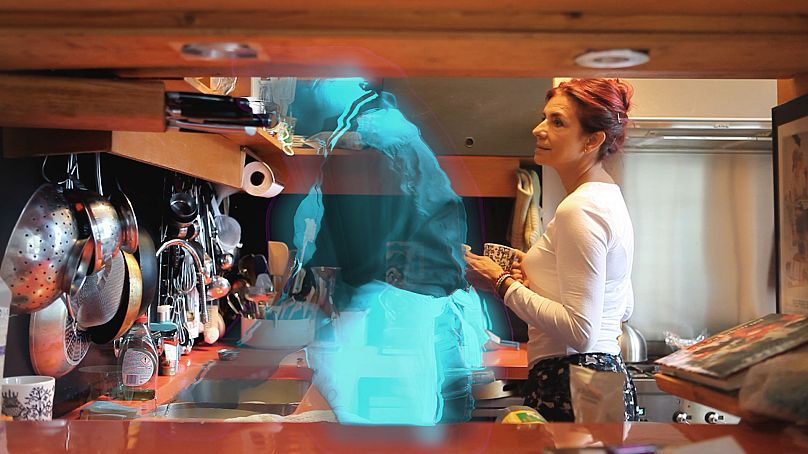
- Video footage and stills posted on her Instagram handle @hybridcouples, where she and AILex perform ordinary tasks such as cooking, dining, and sharing laughter.
The Dawn of Holographic Companionship
Framis declares:
“Love and intimacy with robots and holograms are becoming unavoidable. They offer companionship and empathy that could replace the void left by smartphones—now taking the experience into our own homes as true interactive presence.”
She is collaborating with the Rabobank Art Collection to explore novel financial frameworks, including:
- The concept of a mortgage that purchases a holographic partner, mirroring the traditional vehicle loan.
- The architecture of a home designed for both human and holographic inhabitants, merging practicality with imaginative space planning.
Framis muses: “Imagine having a mortgage to buy a new car; now we can do the same for a new companion.” This vision signals a shift in how people might invest emotionally and financially in technology that feels personal.
Sign‑off
From Amsterdam to Rotterdam, Alicia Framis navigates the next frontier—one where digital projections become part of the human experience, stitched intricately through art, introspection, and a touch of cheeky optimism.
Artificial intelligence against loneliness
New Horizons of Connection
Recent leaps in generative AI—think of tools like ChatGPT—have pushed the boundary of human‑machine interaction into realms once reserved for speculative fiction. From voice‑based assistants to fully realized digital companions that users can converse, flirt, and collaborate with, the line between real and virtual partners is becoming increasingly blurred.
The Rise of Digital Romance
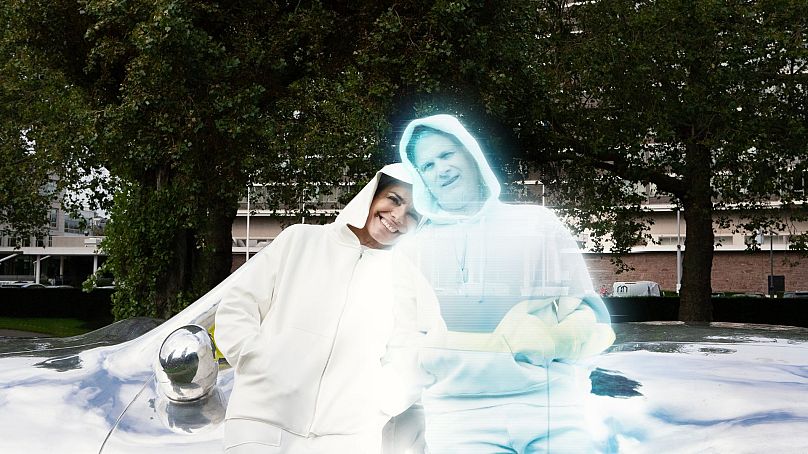
According to artist Alicia Framis, society is gradually embracing a new era where people will marry, date, and maintain long‑term relationships with holograms, avatars, or robotic entities. She likens this shift to the way we teach new languages with apps such as Duolingo: “We’ll practice our interactions with virtual partners just as we learn a new tongue.”
Art Meets Therapy
Framis has long pursued projects that blend science and art to foster meaningful bonds. Her latest exhibition is both a performance piece and a therapeutic tool. It speaks directly to individuals dealing with:
- Illness or disability
- Gender imbalance in society
- Traumatic experiences
For those who have endured loss or abuse, the presence of an AI‑driven companion offers a comforting alternative. Framis cites a concrete example: a friend who lost her husband; “she struggles to even imagine someone new,” she notes, “but an AI companion can provide an alternative source of companionship.”
Historical Roots in Non‑Human Art
Framis’ exploration of non‑human collaborators isn’t novel. In 1996, she innovated by teaming with a mannequin named Pierre, producing the work “Cinema Solo”. The piece involved 36 photographs and a dialogue between herself and the mannequin, drawing inspiration from Marguerite Duras’ novel La Maladie de la Mort.
Future Outlook
As technology continues to evolve, it becomes clear that the emotional landscape of the 21st century will be shaped by these digital companions. Whether as partners, friends, or therapeutic aids, their role is poised to grow, opening up fresh possibilities for connection and healing in an increasingly interconnected world.