
Qatar Aims to Employ 1,800 Afghan Refugees, Official Announces
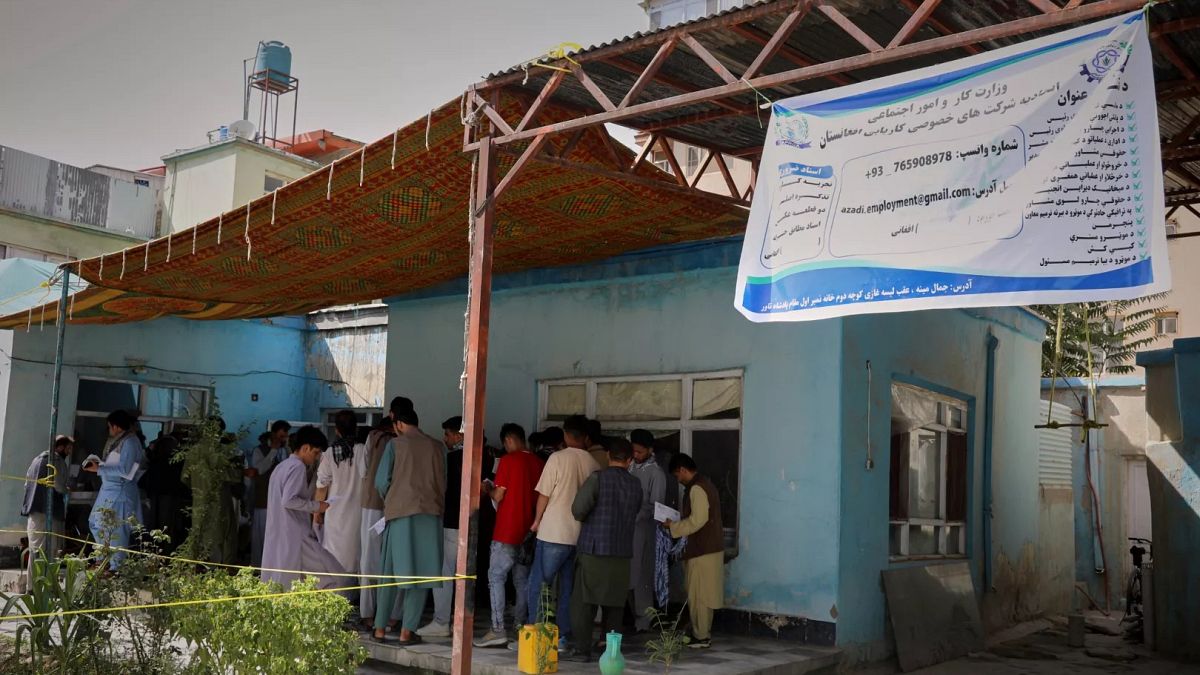
U.N. Warns of Persecution Threats for Returning Afghans
Human‑rights organisations and the United Nations have repeatedly cautioned that certain Afghans returning home may face persecution due to factors such as gender, profession, or associations with the former western‑backed administration.
- Gender: Women who were activists or had been involved in public advocacy.
- Profession: Journalists, teachers, and other public‑facing professionals.
- Political Links: Individuals connected to the former government supported by Western allies.

Taliban Expands Job Registration Initiative for Afghans in Qatar
Key Points:
- 1,800 unemployed Afghans registered on Wednesday for potential employment in Qatar.
- The initiative is part of a new labour agreement with Qatar aimed at easing unemployment.
- Similar negotiations are underway for worker placements in Saudi Arabia, the United Arab Emirates, Oman, Turkey, and Russia.
- Last month, 3,100 Afghans were registered for Qatari jobs, predominantly in food and hospitality sectors.
- Registration was limited to individuals expelled from Iran and Pakistan and held in four major Afghan cities.
- More than 2 million Afghans have left the border regions of Iran and Pakistan this year due to governmental expulsion campaigns.
Scope of the Agreement
By partnering with Qatar, the Taliban seeks to provide foreign work opportunities that could improve living standards for many Afghans. The program’s focus is on the growing demand in the Gulf for skilled and semi-skilled labor, especially in hospitality and food services.
Registration Procedure
The one‑day registration window on Wednesday specifically targeted those who recently left Iran and Pakistan. Applicants were required to present travel documents and undergo a brief vetting process before their details were forwarded to Qatari employers.
Future Expansion Plans
Officials indicate that similar labour agreements are in discussion with Saudi Arabia, the UAE, Oman, Turkey, and Russia, aiming to broaden options for displaced workers and reduce internal unemployment pressures.
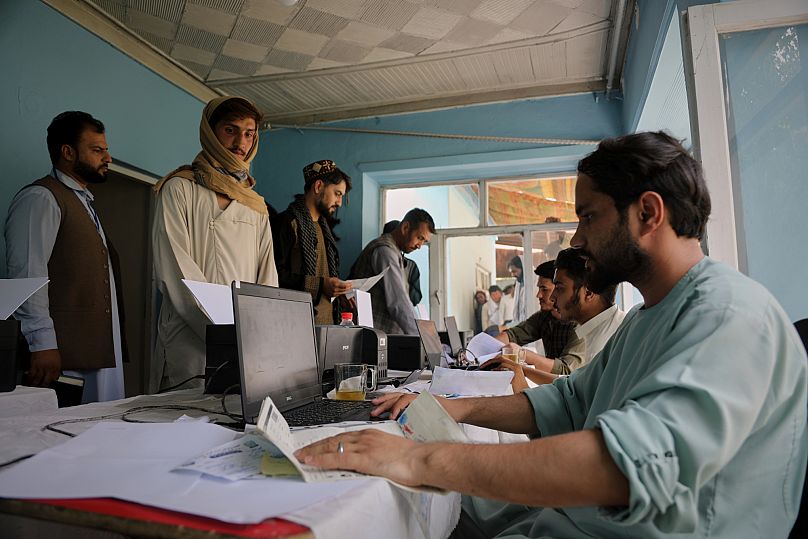
Afghan Men Line Up in Kabul for Qatar Work Visa Application
Location: Kabul, Afghanistan – Date: 13 August 2025
Overview of the Visa Initiative
The Afghan Labor Ministry announced a program offering 1,800 work visas for unemployed Afghan returnees who hold refugee certificates. These permits open entry to 22 distinct job categories in Qatar.
Registration Centres Across the Country
Applicants can access registration centres in the following provinces:
- Kabul
- Kandahar
- Herat
- Nangarhar
Insights from the Ministry Spokesperson
“These work visas cover 22 different job categories and the 1,800 visas available are for these jobless Afghan returnees,” said Samiullah Ibrahimi, spokesperson for the Afghan Labor Ministry.
Stories from the Line
One of the men in line, Poyan Ahmadi, shared his experience:
- He recently left Iran.
- He expressed hope that the Taliban government could engage more actively with other countries.
- Poyan noted the severe lack of employment opportunities within Afghanistan.
Related News
• Germany has deported 81 Afghan nationals under its stricter migration policy.
• A Taliban-hostage style video has raised concerns about tourist safety in Afghanistan.
Warnings from the UN
Challenges Facing Afghans Returning Home
The United Nations recently released a report revealing that Afghan citizens brought back by force from Iran and Pakistan have faced torture and threats from the Taliban, largely due to their personal backgrounds or identities.
In response, Afghan authorities have called on these individuals to return to their homeland, offering an amnesty program for anyone who departed after the Taliban seized power in 2021.
However, several rights organizations and UN bodies continue to caution that certain returnees—particularly those identified by gender, profession, or ties to the former Western-backed administration—may encounter persecution upon their arrival.
- Gender-based risk: Women and gender minorities may face targeted harassment.
- Professional exposure: Journalists and community leaders could be singled out for intimidation.
- Political affiliation: Individuals linked to the former government are likely to suffer retaliation.
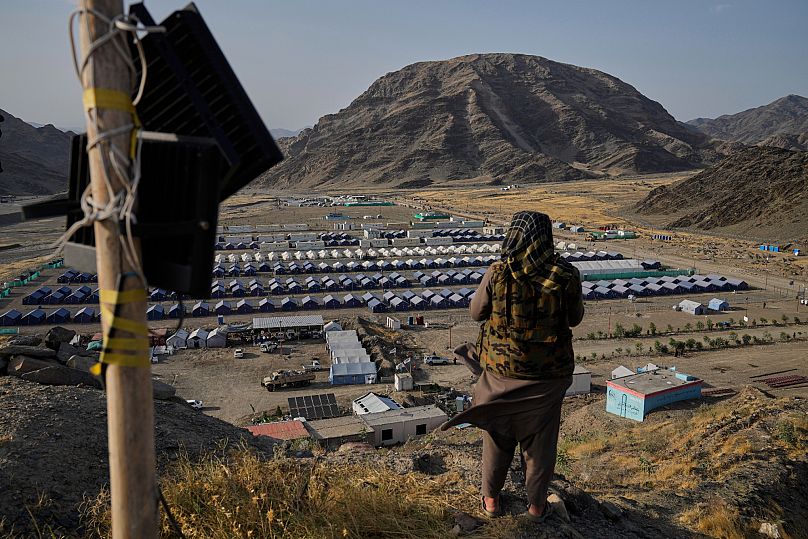
Taliban Repatriation Sparks Human Rights Concerns
On 31 May 2025, at a hilltop overlooking a newly established camp in Torkham, Afghan refugees returning from Pakistan were confronted by Taliban fighters. A photo by AP captures the tense scene, underscoring the growing tensions surrounding mass repatriations.
Reported Violations
- Torture and severe ill‑treatment by Taliban authorities.
- Arbitrary arrests of returnees.
- Continuous threats to personal security.
UN Refugee Agency’s (UNHCR) Warning
In July, UNHCR cautioned that forced deportations from Pakistan could breach the international principle of non‑refoulement—the prohibition against returning individuals to places where they face serious threats to life or freedom.
Impact on Afghanistan’s Fragile Situation
The agency stressed that large‑scale repatriations pose a risk of destabilizing Afghanistan, a nation still adjusting to Taliban governance since 2021. The potential for widespread unrest and humanitarian crises remains a pressing concern.