
Million Signatures for Citizens’ Petition to Stop Killing Games: EU Review Likely
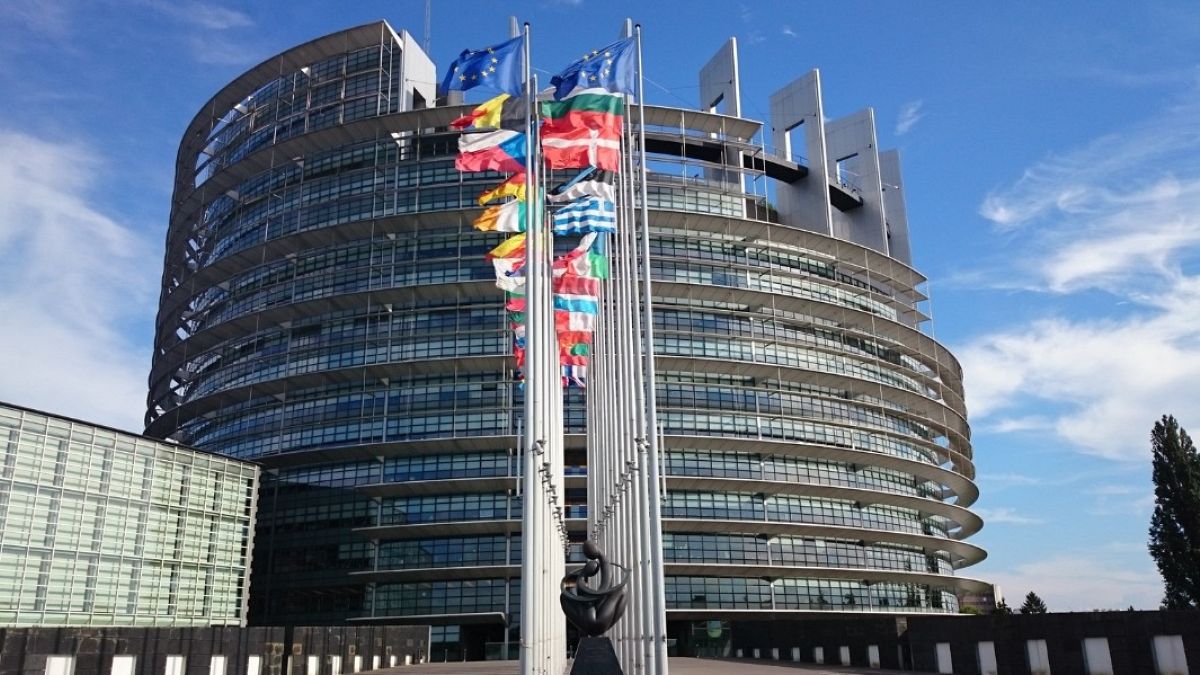
European Commission Considers Legislative Action After Online Game Petition Hits 1.25 Million Signatures
Petition Highlights
- Signature Count: Over 1.25 million users have voiced their concerns.
- Core Demand: Urgent measures to prevent the abrupt termination of online games.
- Next Steps: Petitions must be authenticated before proceeding.
Potential Regulatory Review
If the petition’s signatures are confirmed, the European Commission will conduct a thorough assessment of current digital‑media regulations. The focus will be on whether new legal frameworks are required to ensure the longevity and continuity of online gaming platforms when they are slated for discontinuation.
Implications for Consumers and Developers
Implementing protective legislation could:
- Guarantee players’ data and investments remain safe.
- Encourage developers to maintain long‑term support for their games.
- Provide a clearer legal pathway for future digital‑content creation.
Final Verdict
Following the validation of the signatures, the European Commission will decide whether new laws are necessary to safeguard the gamers’ experience and protect the sustainability of online gaming ecosystems.

European Commission Faces New Legislative Challenge Over Discontinued Online Games
The European Commission is now compelled to evaluate whether fresh regulations are needed to oblige video‑game developers to preserve games that have been discontinued. This pressure has arisen after a European Citizens’ Initiative, titled “Stop Killing Games”, crossed the one‑million‑signature threshold in at least seven EU member states.
What the Petition Demands
- Server Preservation: Developers should keep servers active even when a game is no longer commercially available, ensuring that the game remains playable.
- Consumer Rights: The petition argues that cutting server connections effectively destroys all copies of a game that consumers have already purchased.
- Ownership and Integrity: It claims this practice undermines the very idea of ownership, robbing buyers of the products they paid for.
Key Points Raised by the Initiative
The initiative contends that:
- When publishers decide to discontinue a game, they often shut down the required servers, making it impossible to access or restore any version of the game.
- This approach constitutes a “radical assault” on consumer rights and a violation of the fundamental concept of ownership.
- Without new legal safeguards, players could be left without access to games purchased in the past.
Who Is Behind the Petition?
Organizers Aleksej Vjalicin and Daniel Ondruska had until the end of July to gather the required signatures before formally submitting the petition to the Commission for an in‑depth review.
Next Steps
Given that the petition has exceeded the one‑million‑signature benchmark, the Commission is required to consider the public’s concerns. The outcome will determine whether new rules will be introduced to protect digital gaming content and uphold consumer interests across the European Union.
Launching ‘overdrive mode’
EU Petition Gains Momentum After Ubisoft’s Withdrawal
Vjalicin recently shared with Euronews Next how the campaign was launched following Ubisoft’s decision to cease support for the online‑only racing game The Crew, released in 2014 and home to around twelve million players worldwide.
Petition Highlights
- Signatures amassed: 1.25 million
- Pending validation: the Commission will review each entry before making a formal decision
- Commission’s track record: only ten petitions have been answered since the program began in 2012, with four more under review or verification
Vjalicin expressed deep enthusiasm, noting that both he and the petition’s supporters are “extremely thrilled” to have reached this milestone and are grateful for each signature that brought them closer to their goal.
Future Strategy
He plans to enter what he calls “overdrive mode,” aiming to collect as many signatures as possible, acknowledging that some may be invalidated during the EU’s assessment. The campaign’s objective remains to urge the Commission to address the concerns surrounding the game’s support environment.
Related content
Gardening, Gangsters and Ghosts: The most anticipated video games of 2025 – for readers who want to stay updated on gaming trends.
What is the petition asking for?
Petition Calls for Retained Access to Discontinued Games
The proposal urges game developers to establish a clear strategy for games they intend to retire, ensuring servers remain online long enough for players to continue enjoying the titles. The intent is to preserve the cultural legacy embedded in these digital works.
Rationale Behind the Request
- Creative Significance: Video games are regarded as unique artistic expressions; removing them can be seen as a permanent loss of creative heritage.
- Historical Preservation: Unlike many other forms of media, online games vanish entirely when their backend is shut down, erasing user experiences that cannot be recreated.
- Consumer Rights: The petition advocates for extended protection of in‑game purchases, insisting that existing EU laws should honor these enhancements.
Industry Response from Video Games Europe
In a recent position paper, the trade association highlighted that decisions to discontinue titles involve multiple considerations and are rarely taken lightly. Key points raised include:
- Player Notification: Discontinued games should offer users sufficient notice, aligning with consumer protection standards.
- Technical Burdens: Implementing such a strategy could impose considerable engineering challenges on developers.
- Impact on Innovation: The proposed framework might hinder the creation of new games by diverting resources and time.
- Intellectual Property Concerns: There is a risk that new rules could weaken existing IP rights, potentially destabilizing the market.
Broader Context
The petition emerges against a backdrop of debates on digital preservation and player rights, echoing broader industry discussions on how best to balance creative longevity with commercial viability.
What happens next?
Stop Killing Games: Path Toward Possible EU Legislative Action
The initiative to halt gaming deaths is unlikely to automatically translate into European Union law; the European Commission retains the decision‑making power to determine whether new legislation should be drafted.
Required Procedures Before Policymakers Engage
- Verification by National Authorities: Every Member State will conduct either exhaustive or random checks to confirm the authenticity of the signatures collected.
- Certification of Valid Signatures: After verification, each national government will issue a certificate listing the confirmed signatures. The organizers must gather all these documents.
- Submission to the Commission: With the complete set of certificates, the petition is forwarded to the European Commission, initiating a structured conversation with the campaign organizers.
Follow‑Up Actions by EU Institutions
The European Parliament typically schedules public hearings in subsequent months. These discussions inform the drafting of an appropriate EU response.
Following the hearings, the Commission will reply to the petition. Its response will outline any intended measures, accompanied by a timetable for implementation. If the Commission chooses to pursue new legislation, the proposal will move through the standard lawmaking procedure before becoming enforceable.
—
Accessibilité rapide