
Heatwaves Expose Europe’s Power Grid Weaknesses amid Rising Energy Demand
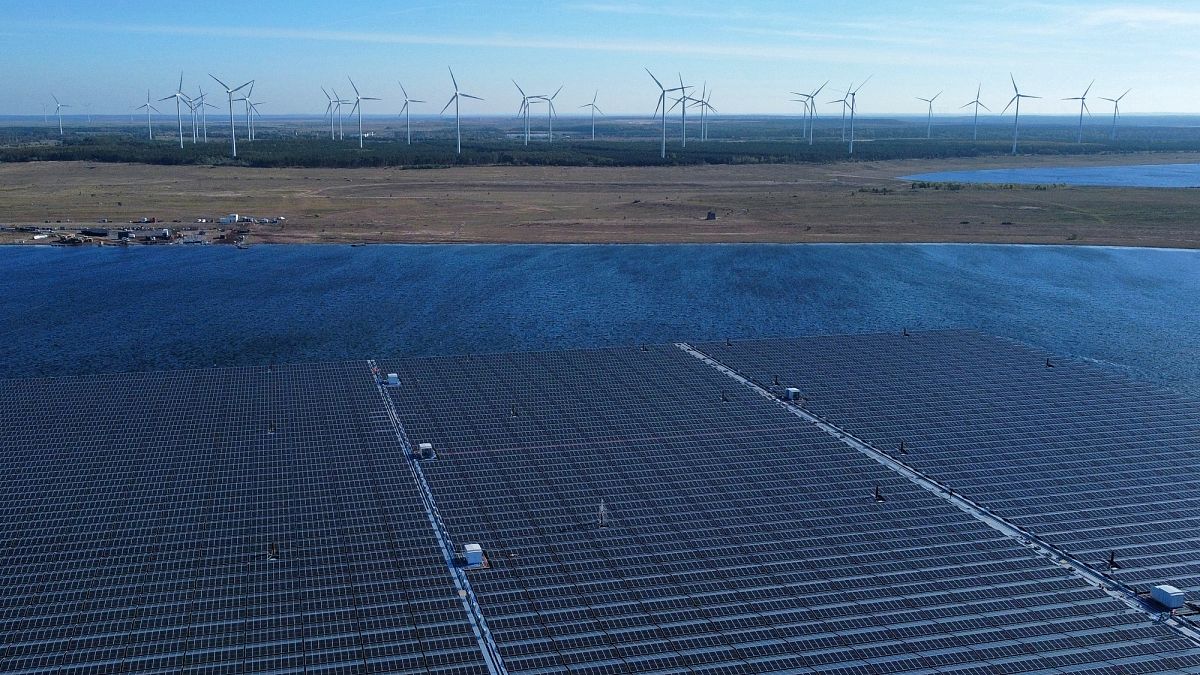
Europe’s Power Grids Under Siege by Heatwaves and Rising Energy Demand
Key Stressors on the Energy Infrastructure
- Record‑high temperatures driving an unprecedented surge in electricity usage.
- Grid components struggling to handle the increased load while maintaining reliability.
- Utilities pressured to balance supply stability against the risk of escalating emissions.
In the face of hotter summers and escalating energy needs, European grids are working hard to keep lights on without adding further pollution to the atmosphere.

Europe Faces New Onslaught of Scorching Heatwaves
This summer, the continent has once again been hit by powerful and widespread heatwaves. Throughout the week, record‑setting temperatures spiked across south‑west France, Croatia, and Hungary, with several areas experiencing temperatures exceeding 40 °C.
Energy Demands Surge Amid Rising Heat
- People are turning on air‑conditioners and other cooling devices, causing a sharp uptick in electricity consumption.
- High temperatures strain power supplies, especially those derived from thermal plants that rely on river water for cooling.
Grid Strain and the Need for Adaptation
Energy experts warn that the heatwaves are pushing Europe’s power grid to its limits. They emphasize the urgent need for:
- Greater flexibility in the energy system.
- A shift toward renewable sources to reduce reliance on fossil fuels.
Challenge for Governments
Authorities must balance the imperative to avoid mass outages with the necessity to curb additional emissions that would worsen global warming.
Energy consumption increases as people try to keep cool
Europe’s Power Grid Stressed by Record Heatwaves
The latest continent‑wide heatstorms serve as a stark reminder that power networks must be ready for ever more severe temperatures, notes Pawel Czyak, Director of Europe Policy at the energy research group Ember.
Analysis of July’s Extreme Conditions
- Demand from cooling during the July heatwave pushed electricity usage close to summer maxima.
- In Spain, consumption increased by roughly 14 %.
- Germany and France experienced sharp spikes in peak‑hour demand, elevating alert levels for grid operators.
Air‑Conditioning Growth in the EU
- Room air‑conditioners are proliferating; the EU is projected to have over 100 million units by 2030, up from less than 7 million in 1990.
- Despite the surge, air conditioning accounts for only about 0.6 % of household energy consumption in Europe.
- Italy leads the EU in AC usage, responsible for about one‑third of total AC electricity consumption across member states.
- Following Italy, Greece, France, Spain, and Germany are major consumers.
Implications for Energy Planning
These trends urge policymakers to revisit grid resilience strategies, incorporating robust demand‑response plans and expanded renewable capacity to manage heat‑induced spikes.
Pressure on power plants as temperatures rise
European Power Systems Test Heatwave Limits
Heatwaves do more than push up electricity demand—they can cripple the very sources that generate power. Across Europe, severe temperatures this season forced several power plants to cut output or shut down entirely, especially those powered by nuclear energy.
France’s Nuclear Plants Hit Hard
- Between 28 June and 2 July, 17 of France’s 18 nuclear facilities reported reduced capacity.
- Some units were turned off completely as the heat made cooling difficult.
Heat Alerts Across the Mainland
During the latest heatwave, thermal warnings rippled across the Rhône and Garonne river corridors. On Wednesday, roughly 75% of mainland France experienced heat advisories, while the southwest broke temperature records.
Why Nuclear Reactors Struggle in Hot Weather
Nuclear plants rely on water to keep reactors cool. Normally, fresh water is drawn from nearby rivers or the sea, absorbed by the reactor, and then discharged back at a higher temperature—ideally without impacting the surrounding ecosystem. However, when the incoming water is already scorching, the plant’s cooling efficiency drops. If the outgoing water remains too hot, local aquatic life can suffer.
Grid Issues in Italy
In early July, parts of Rome, Florence, Bergamo, and Milan went offline as Italy’s aging electrical grid buckled under extreme heat. The surge in energy use from air conditioning caused a bottleneck in balancing supply and demand. Energy company Enel pointed out that underground cables were also expanding in temperature and overheating—something that normal infrastructure was not designed to handle.
Without upgrading the network to withstand climate extremes, Europe risks more blackouts in the future, mirroring the outages already experienced in Italy.
Can renewables help electricity grids adapt?
Solar Power Surges Amid Unprecedented Heat in Europe
The scorching summer of June 2025 pushed European solar output to record highs, boosting renewable generation well above 40 % in the Netherlands and 35 % in Greece. This surge proved critical in keeping the electricity grid stable during peak daylight hours, especially when air‑conditioner demand reached its zenith.
Why the Sun Saved the Grid
- Solar dominance at midday: The most intense sunlit period coincided with the greatest demand from heating and cooling appliances.
- Thermal plant outages: Nuclear and other thermal facilities struggled with cooling, leading to frequent shutdowns.
- Grid resilience: Overwhelming solar production mitigated the strain that would otherwise have pushed the grid toward blackouts.
Expert Insight: “The robust solar performance helped stabilize grids that were otherwise strained by thermal plant failures,” remarked energy analyst Czyzak. “Investing in flexible, renewable‑powered infrastructure is key to sustaining cost efficiency and system resilience.”
Wind Power Takes a Hit
In contrast, the July heatwave in Scandinavia caused wind turbines to almost stall. Finland recorded the lowest wind generation on record, and the United Kingdom saw wind account for a mere 5 % of the energy mix on a single day, with natural gas surging above a third of the supply. Hydropower stepped in to bridge the shortfall, but it could not fully compensate for the void left by wind.
Broader Implications
- Solar’s importance is magnified during heatwaves, ensuring consistent power delivery.
- Reliance on renewables alone is insufficient; integrating storage solutions and smarter grid management is imperative.
These extremes highlight both the growing capacity of solar energy to fortify the grid during extreme temperatures and the necessity of complementary technologies for a reliable energy future.