
Discover China’s Mosquito‑Sized Spy Drone—and Explore the World’s Other Miniature Reconnaissance Drones
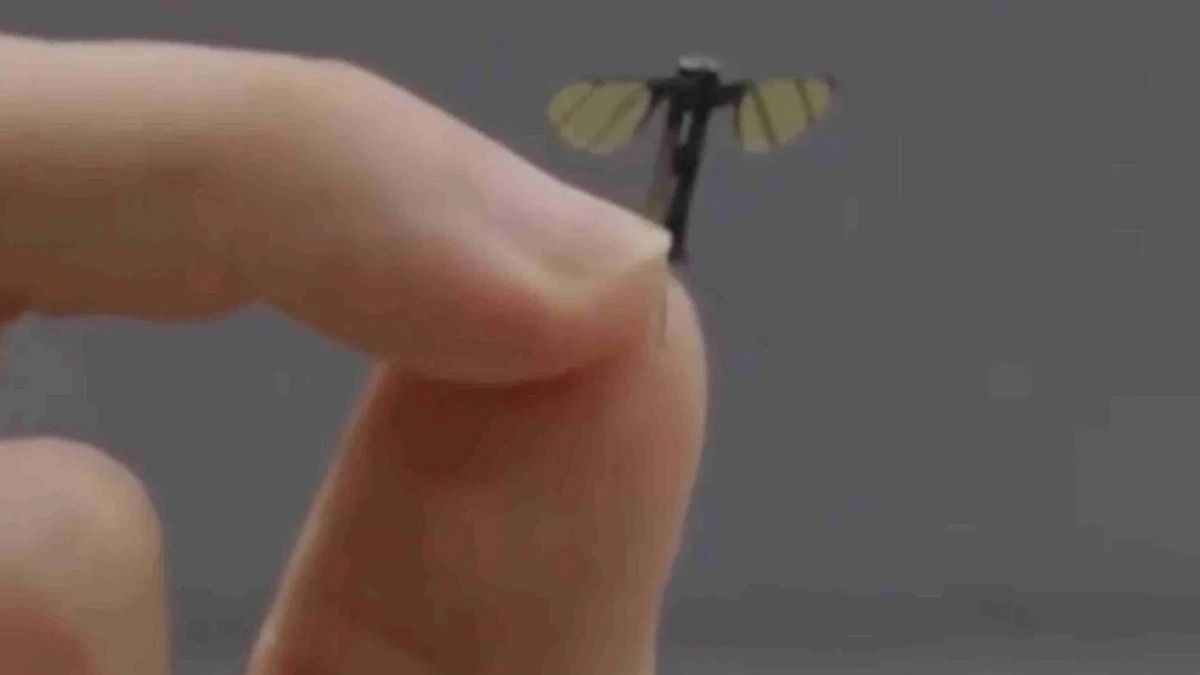
Miniature Insect‑Inspired Device May Slip Past Conventional Radar
Key Specifications
- Length: Approximately 2 cm
- Weight: 0.3 grams
- Structure: Two miniature wings and three slender legs
Potential Detection Challenge
Due to its tiny footprint, the device is expected to evade typical radar detection methods, prompting researchers to explore alternative sensing techniques.

China Unveils Mosquito‑Inspired Mini‑Drone for Covert Missions
Showcased on CCTV‑7
On June 20, a student from the National University of Defence Technology appeared on the state‑run military broadcaster CCTV‑7 with a new bionic micro‑drone that closely resembles a mosquito in both size and shape.
Key Specifications
- Length: 2 cm (0.79 in)
- Weight: 0.3 grams (0.010 oz)
- Wings: two micro‑wings flapping at roughly 500 Hz
- Legs: three slender appendages for fine landing control
Intended Military Applications
Small‑scale reconnaissance – Designed for special missions on the battlefield, the drone can slip into tight spaces and gather intelligence without detection.
Technology and Controls
It incorporates a suite of sensors for covert surveillance and can be commanded via a smartphone. Another prototype, featuring four detachable wings, was also presented to demonstrate enhanced maneuverability.
Stealth Capabilities
Its incredibly light weight and high wingbeat frequency make traditional radar systems unlikely to pick it up, giving it a tactical edge in stealth operations.
Microdrones on trend
The Rise of Pocket‑Sized Military Drones
Microdrones in the Modern Battlefield
Over the past decade, miniature unmanned aerial vehicles (UAVs) have transitioned from niche toys to indispensable tools on contemporary battlefields. Their diminutive size, combined with advanced sensory payloads, offers commanders a low‑profile means of gathering intelligence and executing targeted missions.
Domestic Adoption and Deployment
- Norway: The Black Hornet, a palm‑sized micro‑UAV modeled after a helicopter, has been fielded by several Scandinavian armed forces.
- United States: After receiving the device through joint procurement channels, the US military has incorporated it into a range of reconnaissance and strike packages.
- Other Armed Forces: Several NATO members and partner nations are conducting trials or have already integrated similar platforms into their combat fleets.
Micron‑Scale Reconnaissance Capabilities
Black Hornet and its peers are equipped with high‑resolution cameras and thermal imaging systems. These features enable rapid, stealthy observation of moving targets or terrain, often beneath the radar of conventional surveillance assets. The drones can escape detection due to their lightweight construction and minimal electronic signature.
Historical Origins: DARPA’s HI‑MEMS Initiative
Tracing back to 2006, the US Department of Defense’s DARPA unit embarked on the Hybrid Insect Micro‑Electro‑Mechanical Systems (HI‑MEMS) program. This research aimed to embed micro‑mechanical components inside insect bodies, effectively creating “insect cyborgs.” Although the project’s final products differed from present day micro‑UAVs, the foundational work on nanoscale sensors and actuators paved the way for modern micromissile and drone technologies.
Broader Implications and Future Trends
With each successive deployment, the strategic landscape evolves. Miniaturized drones grant armies the ability to conduct real‑time surveillance, execute precision strikes, and even coordinate swarm tactics without revealing a larger platform’s location. This shift has prompted international defense groups, such as NATO, to investigate complementary technologies and address emerging ethical, security, and regulatory considerations.