
Beijing Officially Seals Trade Deal with United States
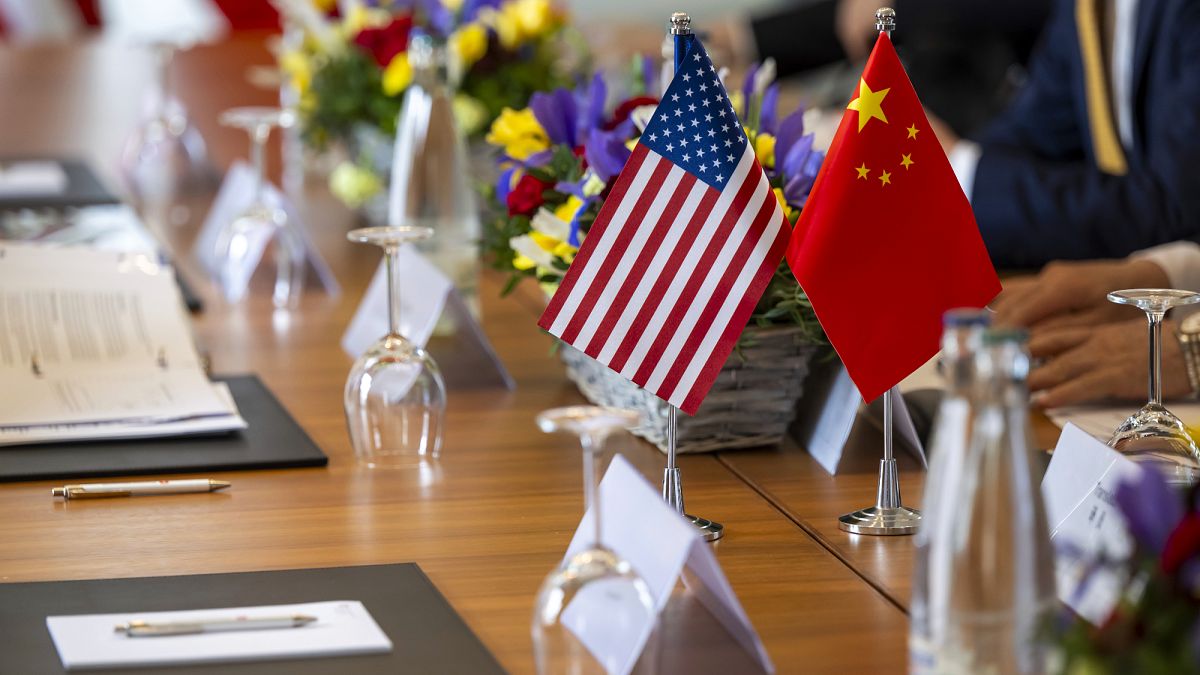
China Finalizes Trade Framework Including Rare Earth Exports
During a press briefing on Friday, Beijing announced that it had finalized crucial details of a trade framework, underscoring the nation’s commitment to exporting rare earth minerals.
- Export of Rare Earths: China confirmed plans to continue exporting rare earth elements, a critical component for modern electronics and green technologies.
- Trade Framework: The country has outlined key provisions concerning tariff reductions, investment incentives, and regulatory compliance.
- Economic Impact: The agreement is expected to bolster the domestic mining sector and enhance global supply chain stability.

US and China Reach Landmark Trade Deal, Signaling End to Escalating Tensions
Key Highlights of the Agreement
- China Commitments: The Chinese government pledged to maintain the issuance of export permits for items under strict controls.
- US Actions: The United States agreed to rescind a series of restrictive measures that had been imposed on China.
- Official Announcement: The deal was publicly confirmed by China’s Ministry of Commerce and later reiterated by U.S. President Donald Trump.
Chronology of the Negotiations
- Geneva Discussions: In early May, preliminary talks led both parties to delay steep tariff increases that had threatened to stall bilateral trade.
- London Framework: Subsequent meetings established a negotiation structure that paved the way for the final settlement.
- Trump’s Confirmation: At a White House briefing on Thursday night, President Trump announced that the agreement had been signed, without providing further details.
Implications for Global Trade
- Reduction of uncertainty in supply chains for both economies.
- Prompting other nations to reassess trade stances toward China.
- Potential stabilization of commodity markets previously affected by tariff conflicts.
What the framework could be all about
China Accelerates Rare Earth Export Approvals Amid Trade Restructuring
Beijing announced that it will expedite the review of export license applications for rare earth metals, which are crucial for high‑technology products such as electric vehicles, batteries, and renewable‑energy equipment. The Commerce Ministry said that it has already approved a number of compliant applications and will continue to streamline the process.
Context of the Trade Standoff
Ongoing tension over rare earth exports has been the focal point of recent negotiations between China and the United States. In April, China imposed new permitting rules on seven crucial rare earth elements, threatening supply disruptions to automotive, robotics, and wind‑turbine industries worldwide. In response, Washington heightened trade tariffs in various sectors.
May Accords and Remaining Measures
- The Geneva agreement reached in May called for both sides to reduce punitive tariff hikes that were intensified during the earlier Trump administration.
- However, certain tariffs—particularly those related to fentanyl trade, and duties on aluminium and steel—remain in effect.
Economic Impact on Global Powerhouses
The shifting policies have rattled both the United States and China:
- In the U.S., the economy contracted at a 0.5% annual rate from January to March, partially driven by a surge in imports as businesses and consumers rushed to secure foreign goods before new tariffs could take effect.
- In China, factory profits fell more than 9% year‑on‑year in May, with automakers suffering a notable portion of the decline. Production volumes dropped by over 1% year‑on‑year between January and May.
Future Trade Outlook
U.S. officials, including Representative Lutnick, have expressed confidence that similar agreements will be negotiated with other key partners—including India—“deal after deal after deal.”