
Behind the EU Budget: What MEPs and Parties Really Want
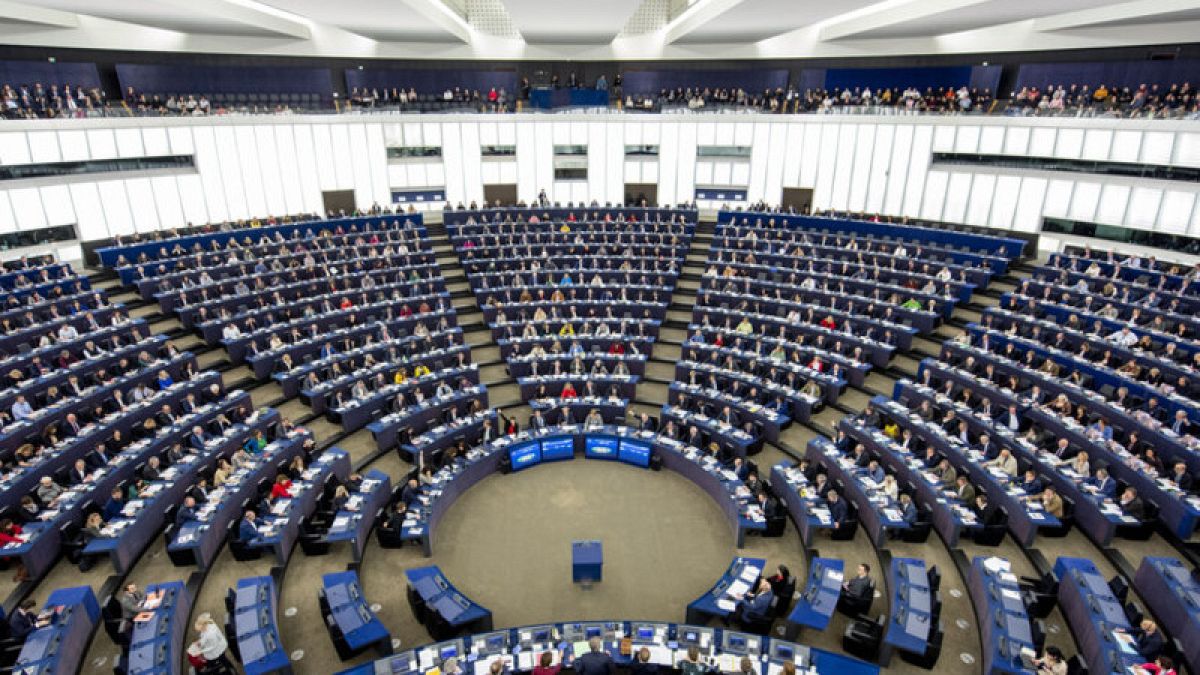
Political Groups Vow to Protect Key EU Budget Priorities
Each political faction is determined to defend at least one flagship objective in the EU’s long‑term budget, ready to contest it relentlessly until the very end.

EU Parliament Set to Clash Over Next 7‑Year Budget
Upcoming EU Budget Proposal
The European Commission is slated to release its draft for the next seven‑year Multiannual Financial Framework (MFF) on Wednesday. More than just a financial blueprint, the MFF will test the political dynamics within the European Parliament.
Role of Parliament in the MFF
Following the 2009 Lisbon Treaty, Parliament now has a decisive say in approving the MFF, alongside the requirement for unanimous agreement by the member states. Under this arrangement, a simple majority of Members of the European Parliament (MEPs) must endorse the final text.
Political Groups Prepare for Battle
Major parties are lining up to protect their priorities. With Parliament’s voting power, the largest blocs can tip the scales in pushing specific funding requests into the budget.
What to Expect
- Debates on key spending areas such as research, agriculture, and climate action.
- Strategic alliances forming to secure budget allocations.
- Potential pushback against policy items perceived as non‑essential.
As the draft travels from the Commission to Parliament, the political theatre of the European Parliament will shape the next decade’s financial roadmap.
The European Social Fund: a red line for Socialists
European Social Fund At the Centre of Parliament Debates
Last week, the Socialists and Democrats (S&D) group stepped forward to shape the recent parliamentary debate. They established that they had received assurances from Commission President Ursula von der Leyen that the European Social Fund (ESF) would remain a key element in the upcoming EU budget.
Key Outcomes
- Socialists voted to deter a no‑confidence motion presented in the European Parliament.
- That motion was decisively defeated, securing a broad majority in favour.
The ESF, a multibillion‑euro instrument, is tasked with boosting employment, social inclusion, education, and skill development across all member states. Within the current financial framework, it allocates nearly €100 billion. For the S&D, this fund is non‑negotiable, as it is deemed essential for the EU’s social cohesion.
Statements from the S&D
“We cannot accept an MFF without the European Social Fund,” declared MEP Carla Tavares, the group’s budget negotiator. “Supporting health, education, employment, and workers’ skills is vital.”
Additional Proposals
- Push for a higher share of member states’ gross national income to be allocated to the EU budget, targeting an increase from the current 1.2%.
- Introduce an EU levy on digital companies.
- Implement a levy on small parcels sent to the EU.
EPP to defend agricultural and cohesion funding
European People’s Party Advocates for European Social Fund in Budget Revisions
Key Points from the Parliament’s Largest Parliament Group
- EPP Pushes for ESF – The group’s chief budget negotiator, Siegfried Mureșan, maintains that the European Social Fund (ESF) must remain a core component of the upcoming budget.
- Balance Between Modern Priorities and Tradition – While emphasizing new pillars such as security, competitiveness, research, and innovation, the EPP stresses that these enhancements should not cannibalise the Common Agricultural Policy (CAP) or cohesion budgets.
- Separate Allocation for Agriculture and Cohesion – Mureșan calls for dedicated budgets for farmers and a distinct line for regional cohesion, resisting proposals to merge these supports into a single, enlarged fund.
- Opposition to Commission’s Merge Strategy – The EPP’s stance directly counters the European Commission’s idea of consolidating CAP and cohesion funding under a broader umbrella.
ECR’s Perspective on CAP and Cohesion
- Stand‑Alone Funding Emphasis – The European Conservatives and Reformists (ECR) echo the EPP’s support for distinct CAP and cohesion allocations.
- Defence Infrastructure Investment – They back funding for critical defence assets such as transport links, power grids, and communication systems, highlighting their dual civilian and military benefits.
Liberals oppose the idea of ‘national cash pots’
Renew Europe Rejects Centralising the EU Budget
The Renew Europe parliamentary group, led by French MEP Fabienne Keller, strongly objects to proposals that would consolidate various EU funding programmes into a single national cash pot. Such a structure, they argue, would diminish the influence of regional authorities by giving all spending power to the national level.
Key Concerns Expressed by Renew Europe
- Risk to Regional Autonomy: The move could sever ties between EU institutions and the regions that rely on them for development.
- Demand for “Own Resources”: The group calls for stable revenue streams generated directly by EU citizens, in addition to member‑state contributions.
- Opposition to “Autocrat” Funding: Renew Europe has condemned proposals that would provide financial support to leaders they label as autocratic, notably Hungarian Prime Minister Viktor Orbán.
Proposed EU‑Level Revenue Sources
- The proceeds from the EU Carbon Border Adjustment Mechanism could serve as a new income pool.
- A OECD agreement on tax evasion would help strengthen fiscal cohesion across the bloc.
- Implementing a tax on small parcels shipped from outside the EU offers an additional financial avenue.
Statement from Fabienne Keller
“If we cannot secure additional own resources for the budget, the only outcome will be cuts,” Keller told Euronews, underscoring the urgency of diversifying EU revenue streams.
Far right against funding defence and Ukraine
Patriots for Europe Accuses EU of Cutting Farm Funding
Claim: The far‑right group Patriots for Europe (PfE) alleges that the European Commission plans to initiate a “wartime budget” by reducing financial support for European farmers. The organization also opposes EU aid to Ukraine and rejects any EU‑level taxation.
Key Focus Areas
- Crackdown on irregular migration
- Elimination of climate policies
- Strengthening external border protection
- Removal of the Green Deal
PfE Position: “EU funds must support the strongest possible external border protection. The Green Deal is destructive to farmers, cripples industries, and burdens families,” wrote Tamás Deutsch, head of PfE’s Hungarian delegation, in an internal booklet for fellow MEPs.
Europe of Sovereign Nations Shares Similar Goals
Members of the Europe of Sovereign Nations (ESN) group also prioritize protecting EU borders. Their agenda includes:
- Tax relief for citizens
- Investment in innovative research initiatives
- Protection of farmers’ incomes
- Consistent, results‑oriented use of funds
ESN Perspective: “Every euro of the Multi‑annual Financial Framework (MFF) must deliver a clear benefit for citizens; costly prestige projects do not belong,” said German MEP Alexander Jungbluth in an interview with Euronews.
Greens and The Left for climate and social justice
EU Budget Negotiations: Green Ambitions vs Social Priorities
Greens/EFA’s Green Imperative
During last week’s plenary debate, co‑president Terry Reintke announced that the Greens/EFA group insists at least 50 % of the upcoming EU budget must be dedicated to green initiatives. He highlighted that the current Multi‑Year Financial Framework (MFF) allocates only 30 % of its funds to climate‑related projects.
Proposed Digital Services Tax
To fund the expanded green agenda, the group is urging the European Commission to introduce a levy on digital services, creating an additional source of revenue for environmental programmes.
The Left’s Social‑Economic Agenda
Portuguese MEP João Oliveira has outlined the Left group’s key priorities:
- Addressing the housing crisis
- Promoting social and economic cohesion
- Achieving full employment across member states
- Improving living conditions for workers
- Combating poverty
He cautioned that the Commission must resist the temptation to increase defence spending at the expense of policies that directly affect livelihoods and public services.
Opposition to Cuts and Call for a Child Guarantee
The Left firmly rejects any reductions to cohesion, agriculture, and fisheries budgets. Instead, it proposes a €20 billion European Child Guarantee to tackle child poverty and social exclusion.
Parliament’s Negotiating Power
If the Commission disregards Parliament’s demands, MEPs retain the right to return the proposal to the Commission and reject it as a basis for negotiation. This move sets the stage for a broader tug‑of‑war between Parliament and member states, whose priorities for funding often diverge.
Resolution on Insufficient Contributions
A resolution adopted in May clarified that the level of contributions from member states is insufficient for the EU’s current budget needs. This insight underscores the complexity of forthcoming negotiations.