EU Trade Ministers Target €72 Billion Tariff Blow on U.S. Goods
EU Brace for Response after U.S. Tariff Threats
Background
The European Union was in the throes of finalising a tariff framework with the United States when unexpected U.S. demands surfaced over the weekend, leaving EU negotiators in a state of surprise.
Immediate Reaction
Senior EU trade officials have issued a rapid response, outlining a contingency plan ready to deploy if talks break down.
- Negotiation pause – Current discussions are temporarily suspended while parties reassess terms.
- Contingency triggers – Pre‑defined tariff measures could be activated should a satisfactory agreement remain elusive.
- Diplomatic outreach – EU leaders intensify communications with U.S. counterparts to clarify the new demands and seek a path forward.
Potential Retaliation Measures
In the event that negotiations fail to culminate in an agreement, the EU is prepared to implement a range of retaliatory steps:
- Imposition of higher tariffs on imports from the United States.
- Introduction of selective trade barriers targeting high‑tech products.
- Provision of fiscal incentives aimed at strengthening domestic industries and mitigating the impact of any trade disruptions.
Looking Ahead
Both sides acknowledge the urgency of reaching a decisive resolution, emphasising that prolonged stalling could inflict widespread economic costs on all stakeholders.

EU Takes a Stance Amid Rising US Tariff Threats
During an extraordinary meeting in Brussels, E.U. Trade Commissioner Maroš Šefčovič outlined a list worth €72 billion of U.S. goods to be targeted in a retaliatory tariff initiative, following Washington’s intensified pressure to impose a 30 % duty on imports beginning 1 August.
Key Points from the Commissioner
- Preparedness for all scenarios: The Commission stressed the readiness to employ proportionate measures, should the need arise, to rebalance transatlantic trade.
- Second tariff list: This updated roster now totals €72 billion—down from an initial €95 billion—after consultations with EU industries and member states. It covers a wide spectrum, including U.S.-made aircraft and bourbon.
- Member‑state discussion: The proposal is still pending formal adoption by the member states, who will now deliberate on it.
Context of the Negotiations
Earlier this week, President Donald Trump published a threat on Truth Social, warning that, absent a deal by 1 August, the U.S. would impose 30 % tariffs on E.U. imports. Negotiations have reached a final phase, with the E.U. conceding a baseline 10 % tariff on its imports while securing exemptions—0 % on aircraft and spirits, and slightly above 10 % on certain agricultural goods.
Current U.S. Tariffs on EU Goods
- 50 % on steel and aluminium
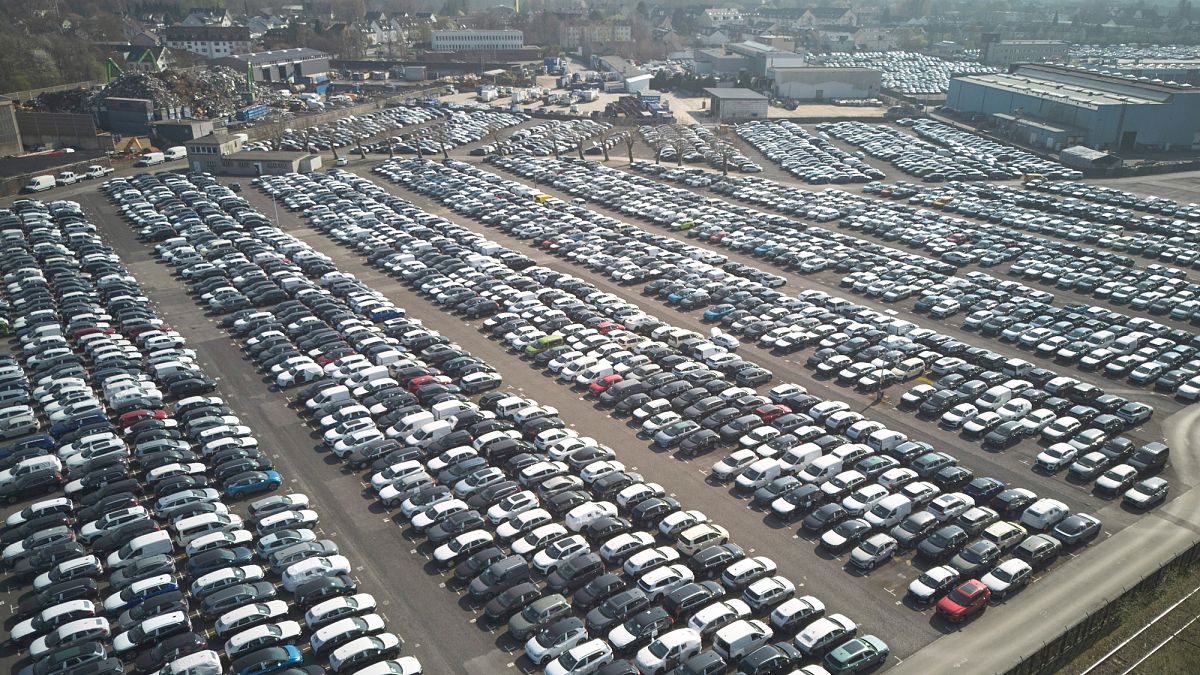
- 25 % on cars
- 10 % on all other EU imports
Potential Retaliatory Measures
EU officials hinted that responses might include export controls on aluminium scrap—an essential raw material for the U.S. industry.
Commitment to Negotiation
Despite the looming threat, Šefčovič emphasized the importance of a negotiated settlement that restores stability and cooperation across the Atlantic: “We remain convinced that our transatlantic relationship deserves a negotiated solution,” he stated.
Upcoming Talks
The Commissioner announced a scheduled conference call with U.S. counterparts later on Monday.
Delay in Initial Countermeasure
Commission President Ursula von der Leyen announced on Saturday that a preliminary countermeasure aimed at €21 billion of U.S. products would be postponed until 1 August. This adjustment follows the U.S.’s latest announcements, making the response more urgent and aligning with the broader timeline set by EU ambassadors.
Anti-coercion instrument
EU State‑Diplomats Brace for Complications with a Potential U.S. Deal
While the European Union presented a united front this Monday, diplomats recognize that the reality of any agreement with the United States will bring divergent interests.
Varied Responses Expected
- One official admitted to “different interpretations” that would surface once a deal is reached.
- Some nations anticipate strong retaliation, others seek to avoid escalation, depending on which strategic sector is most impacted by U.S. policy.
France’s Hard‑Line Approach
- France remains committed to a hard line against the U.S., advocating the full use of the EU’s toolset.
- This includes the “anti‑coercion instrument,” formally known as the EU’s 2023 nuclear option for trade defence.
- French Trade Minister Laurent Saint‑Martin emphasized that this pressure, “deliberately applied by the U.S. president” is threatening to undermine negotiating capacity—therefore, “Europe must show it is a power.”
Other EU Viewpoints
- A second EU diplomat remarked that “the U.S. has escalation dominance.”
- Vice President Ursula von der Leyen clarified on Sunday that the anti‑coercion tool is reserved for extraordinary situations and is not yet in use.
Potential Tool’s Reach
- The anti‑coercion instrument could allow the EU to revoke licences and intellectual‑property rights from foreign firms, including major U.S. tech companies.
These statements illustrate the nuanced positions within the EU as it prepares for any forthcoming negotiations with the United States.