
Which EU region boasts the highest sports industry employment?
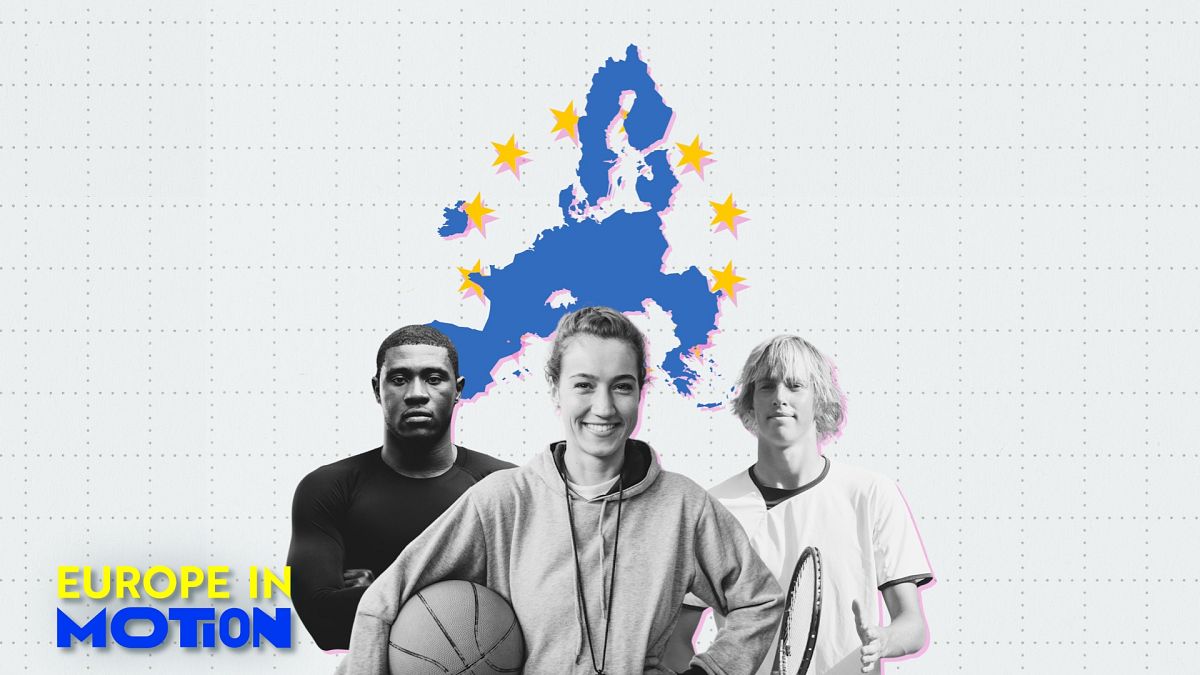
Sports Employment in the EU Sees Continued Growth
Key Findings
- Employment in the sports sector has climbed to 1.6 million jobs in 2024.
- The growth trajectory since 2020 remains steady, reflecting broader economic resilience.
- Despite overall expansion, the gender gap has widened compared to 2011 levels.
Regional Dynamics
- Western European nations report the highest job gains, driven by increased investment in fitness infrastructure.
- Eastern Europe shows slower growth but a notable rise in part‑time sports roles.
- Southern European countries continue to rely heavily on sports tourism, sustaining local employment.
Gender Gap Trends
- The proportion of women in sports-related occupations has dropped from 31% in 2011 to 28% in 2024.
- Women are increasingly fragmented across support and administrative roles, with limited representation in coaching and management.
- Policies aimed at promoting equity—such as mentorship programs and gender‑balanced hiring—are yet to yield measurable impact.
Recommendations for Stakeholders
- Implement targeted training for women in leadership and coaching positions.
- Encourage employers to adopt transparent pay structures and equal opportunity guidelines.
- Support research initiatives that monitor gender representation in real time.
Gender Imbalance in EU Sports Employment
Across most European Union nations, men dominate sport‑related occupations. The most pronounced disparities are seen in Cyprus (69.4% of employees are men) and Belgium (66.8% of employees are men).
Conversely, three countries show a female advantage: Latvia (53.3% of employees are women), Sweden (51.4% of employees are women), and the Netherlands (50.8% of employees are women).
Leadership Positions
- Women hold fewer than a quarter of senior roles in the top ten national sports federations across the EU in 2024.
- Leadership representation ranges from just under 8% in Slovenia to 51% in Sweden.
- Only 13% of federations had a female President, and 21% had a female Vice‑President.