Tech Saves Male Chick Lives, Turning Egg Industry’s Cruelty into Compassion
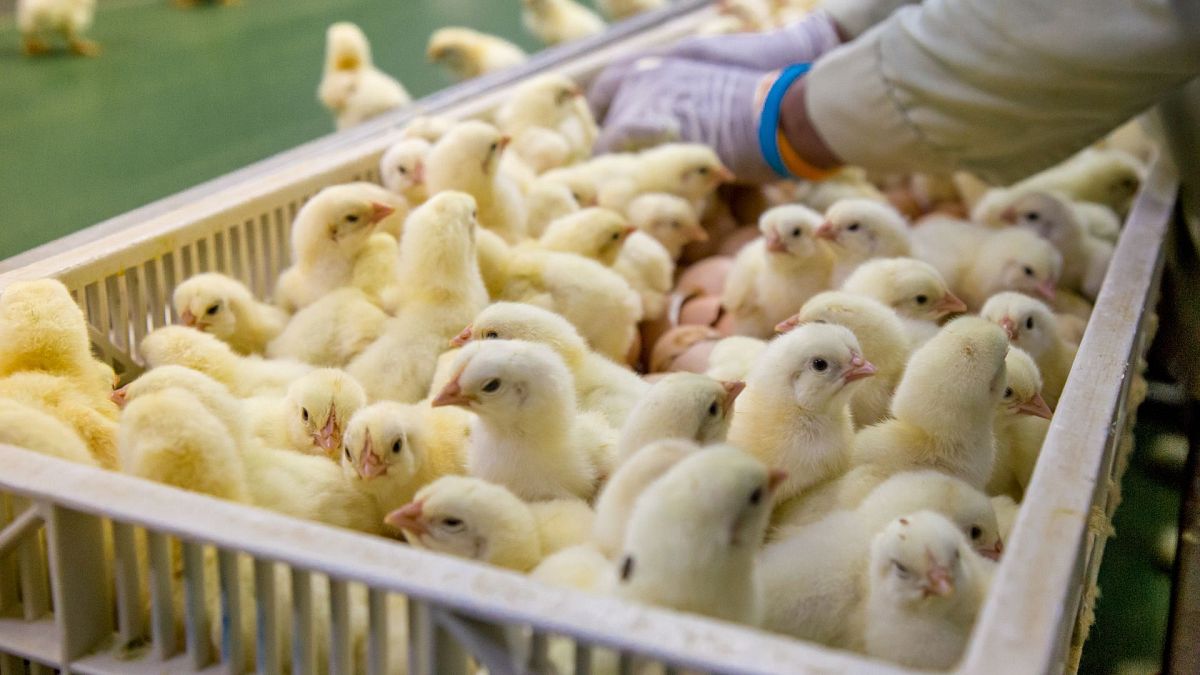
France’s Innovative Approach to Male Chick Management
After introducing a partial ban on the slaughter of male chicks, France has turned to a cutting‑edge technique known as in‑ovo sexing to streamline poultry production while safeguarding animal welfare.
What is In‑Ovo Sexing?
- Method: Scientists analyze DNA fragments in an egg before it hatches, determining the sex of the embryo.
- Outcome: Farmers can identify male chicks early and redirect them to other suitable uses or ensure proper care.
- Benefits: Reduces the need for on‑farm culling and aligns with rising ethical standards.
How France is Implementing the Technology
Collaborating with tech firms and research institutions, French poultry producers are installing sensors in hatchery lines. These sensors scan eggs during incubation, sending instant data to a central hub that logs the results and triggers automated workflows for egg handling.
Advantages for Stakeholders
- Farmers: Gain precise information, avoiding costly mistakes and enhancing operational efficiency.
- Consumers: Assurance that their poultry products are sourced responsibly.
- Environmental Impact: Lower waste from unnecessary culling, contributing to a smaller ecological footprint.
Future Outlook
While still in the early adoption stage, the in‑ovo sexing system showcases France’s commitment to balancing industry growth with ethical considerations. It could serve as a model for other nations seeking to transition away from traditional culling methods.

France Commits to End Male Chick Culling
At the beginning of the year, the French government announced a decisive move to ban the culling of male chicks in the egg industry. This decision follows Germany’s 2022 prohibition and marks a significant step toward more humane farming practices.
New Regulations for Hatcheries
- All poultry hatcheries must now employ in‑ovo sexing technology, enabling the determination of embryo sex before birth.
- The ban eliminates the routine practice of crushing newborn male chicks, who neither contribute to egg production nor fit the breed used for meat.
Artificial Intelligence Enhancing Welfare
Integration of AI-driven tools has improved the accuracy of sex identification, reinforcing animal welfare standards while enhancing operational efficiency in the egg sector.
This regulation not only safeguards animal rights but also aligns France with global trends toward ethical livestock management.
How does in-ovo sexing work?
Innovative Egg Sexing Technique
How the Method Works
Agri Advanced Technologies (AAT) has developed a way to pinpoint an egg’s eventual gender by analyzing the light that passes through the shell. The device measures the resulting spectrum and can correctly predict whether the chick inside is male or female with an accuracy of 97 %.
Targeted Species
The system currently only applies to red hens because their feathers develop a distinct hue during the 13th day of incubation. These hens compose roughly 85 % of France’s egg production.
Current Capabilities and Future Goals
- Present protocol identifies the sex on day 13 of a 21‑day incubation cycle; male chicks exhibit white feathers at this stage.
- AAT aims to reduce that detection window to the fourth day.
Advantages Over Competing Technologies
Unlike invasive approaches that compromise the shell, AAT’s spectroscopic method keeps the outer shell intact, eliminating contamination risks. Other non‑invasive techniques such as AI‑powered MRI readouts work for both brown and white eggs; however, until they reach maturity, France’s regulation on male chick culling remains limited to brown eggs only.
Alternative Invasive Options
Methods like biomarker detection—using a colour‑changing liquid—and DNA sequencing are also available, but they involve cutting or excising parts of the shell.
Robots are used to separate eggs by their sex
Revolutionary Egg Sorting Tech Rolls Out at European Hatchery
Automated Egg Handling and Precise Sexing Process
An advanced robotic line at the AAT facility in France uses custom‑designed suction cups to guide eggs into a high‑speed sorting machine named Cheggy. This technology analyzes the genetic profile of each yolk by examining the reflected light spectrum, ensuring no physical damage or microbial risk.
Key Features and Capabilities
- Processes up to 20,000 eggs each hour
- Detects female embryos, returning them to the incubator for hatching in roughly a week
- Identifies unfertilized eggs and those containing male embryos, diverting them for conversion to animal feed
Expansion Plans Across the EU Group
Lohmann Hatchery, a subsidiary of the EW Group located in Vendée, western France, currently operates two Cheggy units. Management plans to add a third, expecting to upscale throughput to 60,000 sexed eggs per hour, reinforcing its position as a key supplier of female chicks for future laying hens.
Innovation Driven by AI and Consumer Demand
AAT’s system integrates machine learning algorithms that continually improve the accuracy of sex determination and feed conversion, aligning with market trends toward sustainable and efficient livestock production.
Why are male chicks killed in the egg industry?
Revised View on the Egg Production Industry
Egg Production Dynamics
- Hens yield roughly 1.5 trillion unfertilized eggs annually, making most roosters unnecessary.
- Male chicks are typically removed after hatching, often through crushing—an approach recently outlawed in Germany (2022) and France (2023).
Global Scale of Culled Male Chicks
- Estimated 7 billion male chicks are discarded each year across the world’s egg industry.
- In contrast, the poultry meat sector raises both sexes together, slaughtering them before sexual maturity.
Current Practices in France
- Undetected male chicks undergo CO₂ gassing, the sole legal method still in use.
- Those eliminated become feed for predatory birds and reptiles, as well as for male white hens, which face a similar fate.
- Legislation allows the continued elimination of male hens post-hatching due to the perceived immaturity and expense of sex‑determination technology.
Key Takeaways
- Regulation efforts best to curb inhumane culling methods.
- Investment in early sex‑determination could reduce unnecessary disposal.
- Stakeholders in France recognize technology gaps that hamper swift implementation.
Will in-ovo sexing be applied to white eggs in future?
Revolutionary Egg Sexing in France
What the Innovation Offers
Two hatcheries in France have begun using advanced MRI technology to identify the reproductive organs of chicks before they hatch. This allows farmers to sort male and female birds regardless of feather color, providing a more precise breeding strategy.
Technology & Capacity
- The system, supplied by German firm Orbem, uses MRI scans to locate ovaries and testicles.
- Each machine can process about 3,000 eggs per hour.
- Orbem recommends installing additional units to boost overall sexing throughput.
Hatchery Perspective
At Lanckriet Hatchery in Picardy, manager Bénédicte Lanckriet proudly leads what she calls the “next frontier” of egg production. She highlights that:
- There is no longer a need to reduce animal numbers, as production now “matches demand.”
- Despite the novelty, the expense remains significant; she notes, “We are spending money on this and it is not yet profitable.”
- She argues that a continent‑wide mandate would increase demand for sexed eggs, driving down costs.
Consumer Impact
For shoppers, the additional cost introduced by the technology is negligible—roughly three cents for every six eggs. This small price bump reflects the benefit of a more sustainable and efficient poultry system.