Turning Crisis Into Opportunity: How European SME Entrepreneurs Spot the Silver Lining
SME Assembly in Bilbao: Turning Crisis Into Innovation
Current Economic Landscape
While energy prices are easing and inflation is moderating, bankruptcies continue to climb, leaving many European enterprises on the brink of collapse. The SME Assembly, Europe’s leading event for small and medium-sized businesses, gathers these companies to explore how they can weather ongoing headwinds and transform adversity into opportunity.
Basque Country: A Hub of Innovation
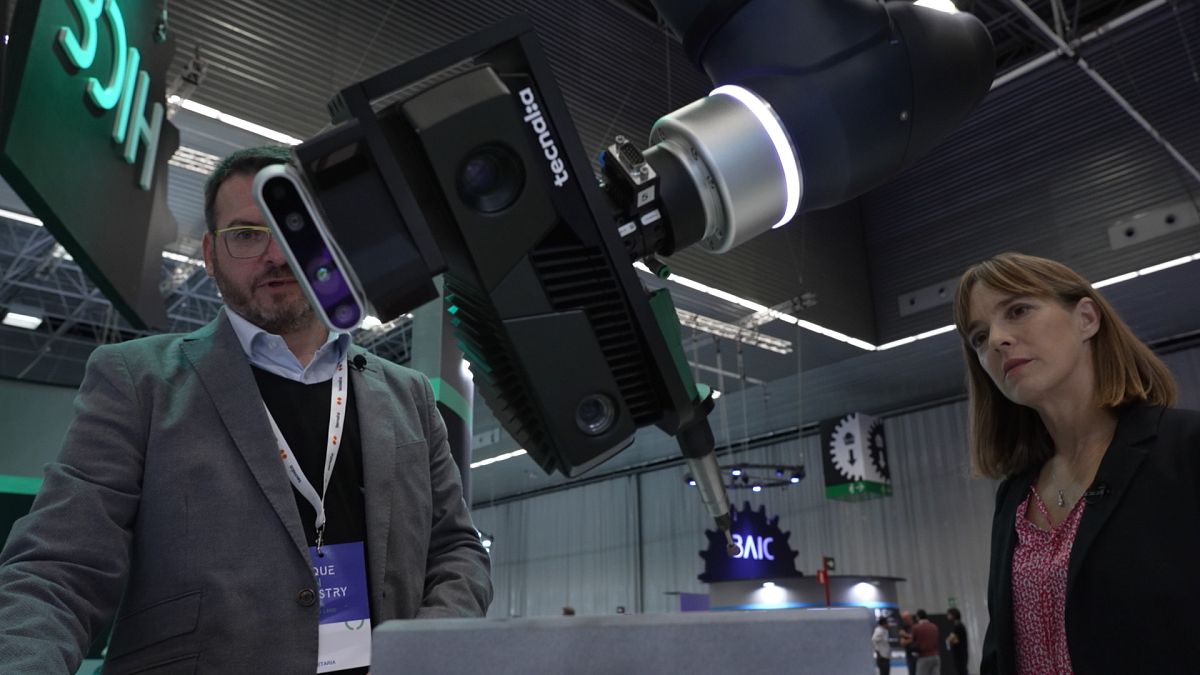
Spain’s Basque region stands out as one of the continent’s most dynamic innovation corridors. Within this environment, the research institution Tecnalia has engineered a versatile robotic platform with a wide range of industrial applications.
The Tecnalia Robot
“Our goal is to equip the robot with capabilities such as sanding, painting, and laser cladding,” explains Damien Sallé, Technalia’s Coordinator of Robotics and Automation.
- Camera feeds provide a 3‑D view of the target surface.
- The system calculates the 3‑D trajectory needed to cover the entire area.
- These computed paths are fed directly to the robot for precise execution.
By integrating advanced vision and motion planning, Tecnalia’s robot offers a scalable solution that can adapt to various manufacturing needs, demonstrating how technology is being leveraged to turn current crises into avenues for growth.
Robotics & Automation Insight: Orbik’s Cybersecurity Essentials
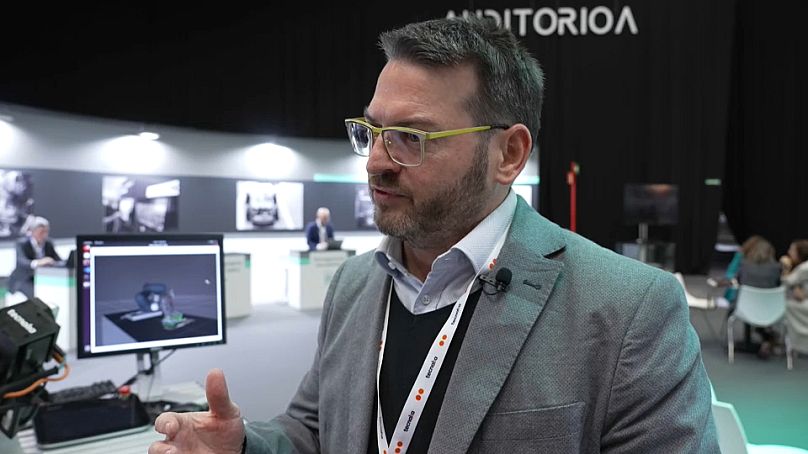
Damien Sallé, the Coordinator for Robotics and Automation at Tecnalia, shines a spotlight on niche markets that can dramatically shift business outcomes. One such example is Orbik, a company dedicated to assessing cybersecurity from the very first design stages of industrial equipment.
Orbik’s Vision in a Connected World
- Industries Served: Railways, smart‑grid substations, general industrial sectors, and health systems.
- Evolution of Risks: While earlier systems operated in isolation and faced limited threats, the current landscape—where devices are openly connected to the internet—is increasingly vulnerable to cyber attacks.
CEO Salvador Trujillo explains that the shift from isolated to networked systems demands a proactive approach to security. The company’s testing protocols aim to preempt vulnerabilities before deployment.
SME Assembly: Empowering European Entrepreneurs
- Offers high‑level panels, thoughtful interviews, and strategic networking.
- Features the prestigious Schumpeter Lecture, delivered this year by Professor Saras Sarasvathy.
Professor Sarasvathy emphasizes that uncertainty and crisis are not merely challenges—they’re fertile ground for innovation. “Entrepreneurs thrive by turning crises into opportunities,” she asserts, encouraging a mindset of proactive change rather than passive resistance.
EU’s SME Relief Package: A Multi‑Focal Support Framework
Amid consecutive global crises, the European Commission announced a comprehensive €2 billion SME Relief Package in September. According to Outi Slotboom, Director for Strategy and Economic Analysis at the Directorate‑General for Internal Market, Industry, Entrepreneurship, and SMEs, the initiative is built on four pillars:
- Financial Access: Grants and loans to stabilize cash flow.
- Skill Development: Training in emerging fields such as solar panel installation, climate‑related projects, and digital competencies.
- Regulatory Guidance: Clarifying compliance requirements to reduce administrative burdens.
- Innovation Incentives: Programs that encourage research and development in high‑growth sectors.
Slotboom highlights that the package seeks to fortify small businesses not just against current crises but also to prepare them for future disruptions by enhancing financial resilience, workforce expertise, and regulatory clarity.
Meet Outi Slotboom: A Visionary Steering European Strategy
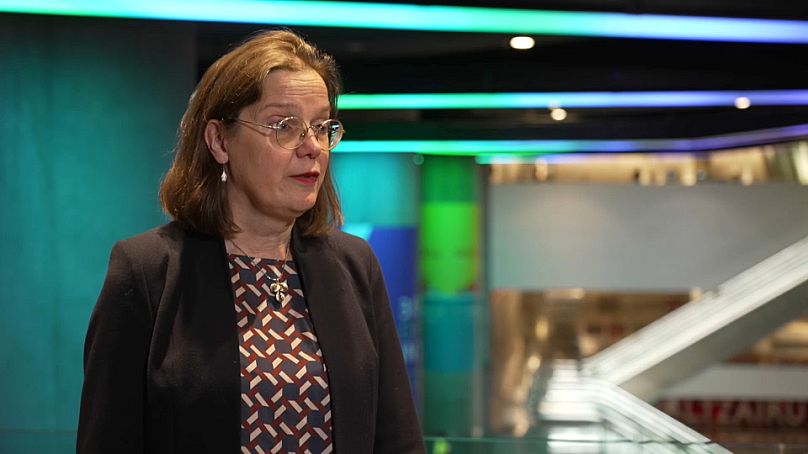
Outi Slotboom serves as the Director of Strategy and Economic Analysis for the Directorate-General that champions the Internal Market, Industry, Entrepreneurship, and SMEs across the European Union. Her role plays a pivotal part in shaping the economic future of Europe.
Key Responsibilities
- Strategic Planning – Crafting long‑term roadmaps for industrial growth and innovation.
- Economic Analysis – Evaluating market trends, competitive dynamics, and policy impacts.
- SME Support – Developing initiatives that empower small and medium-sized enterprises.
- Policy Coordination – Collaborating with member states to align diverse economies.
Impactful Initiatives
- Promoting digital transformation across European industries.
- Strengthening green technologies to foster sustainable development.
- Enhancing innovation ecosystems that nurture entrepreneurship.
Why Her Role Matters
Slotboom’s expertise enables policymakers to convert strategic insights into tangible actions, ensuring the European market remains competitive, resilient, and inclusive.
Future Outlook
With her guidance, the EU is poised to tackle emerging challenges, accelerate innovation, and empower SMEs to thrive in a dynamic global economy.
How can European businesses fend off bankruptcy?
Bankruptcy Surge Across Europe
Business failures have climbed to their highest levels since 2015, rising by more than 8% from the last quarter. The driving factor behind many of these closures is the prolonged delay that companies endure before receiving payments.
Innovative Early‑Warning Tool
The Portuguese Agency for Competitiveness and Innovation, winner of the European Enterprise Promotion Award, has unveiled a new monitoring system that identifies early signs of financial distress in company statements. This tool aims to help firms spot problems before they become fatal.
Commission Proposes Stricter Payment Rules
To curb the problem of overdue invoices, the European Commission has suggested the following measures:
- Limit the maximum payment period to 30 days.
- Ensure that the payment process itself is executed swiftly.
- Impose penalties for late payments to reinforce compliance.
Polish MEP Róża Thun in the European Parliament
During her presentation, MEP Róża Thun highlighted the critical need for prompt payments for small businesses. “They require liquidity and steady cash flow to plan effectively and avoid waiting for money,” she emphasized.
Her remarks underscored the importance of the Commission’s new proposals and the role of the newly developed tool in safeguarding European enterprises.
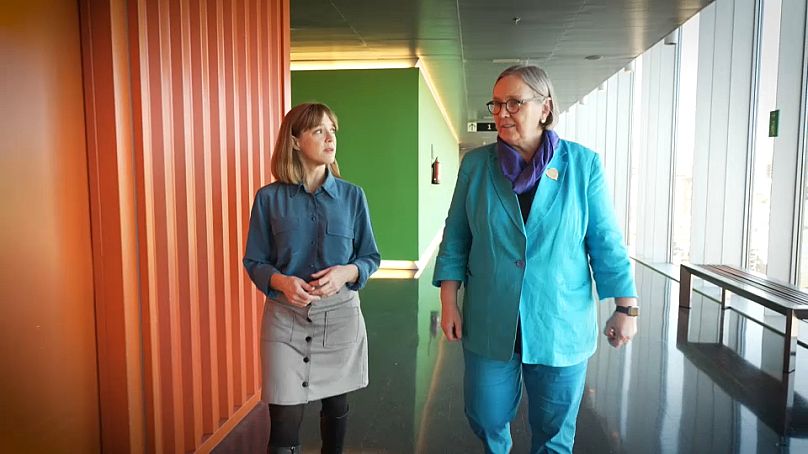
Róża Thun and Hohenstein Talk Renew Europe’s Vision on Euronews
During a special segment on Euronews hosted by Andrea Bolitho, the two prominent Renew Europe Members of the European Parliament—Róża Thun and Hohenstein—delved into the coalition’s future agenda. Their conversation covered everything from climate priorities to the role of youth in policymaking.
Key Topics Discussed
- Climate Action: The duo underscored the urgency of reducing carbon footprints across EU nations, stressing transparent accountability mechanisms.
- Digital Innovation: They highlighted the need for investment in AI, cybersecurity, and the digital single market, describing it as a cornerstone for Europe’s competitiveness.
- Social Equality: A focus on equal access to education, healthcare, and the European job market was emphasized.
- Youth Engagement: The hosts brought up ways to empower young talents in shaping policies, with concrete examples such as the recent Youth Startup Competition.
Spotlight: Ukrainian Small Business Success
In a brief segment, Andrea Bolitho introduced Mariia Alipatova, a Ukrainian entrepreneur who emerged victorious in the Youth Startup Competition. Her breakthrough invention, Solar Optic, efficiently channels sunlight into building interiors, cutting lighting costs and boosting workplace comfort. This innovation exemplifies how Renew Europe’s commitment to supporting SMEs can spark real, tangible economic impact.
Action Points for the Next Parliament Term
- Expand funding for green technologies like Solar Optic.
- Create a comprehensive EU digital strategy endorsed by all member states.
- Set up mentorship programs connecting seasoned policymakers with budding entrepreneurs.
- Strengthen legal frameworks to foster equity across social and economic domains.
The interview concluded with a shared vision: a Europe that is environmentally resilient, digitally advanced, and socially just—partnered by a vibrant next generation of innovators.
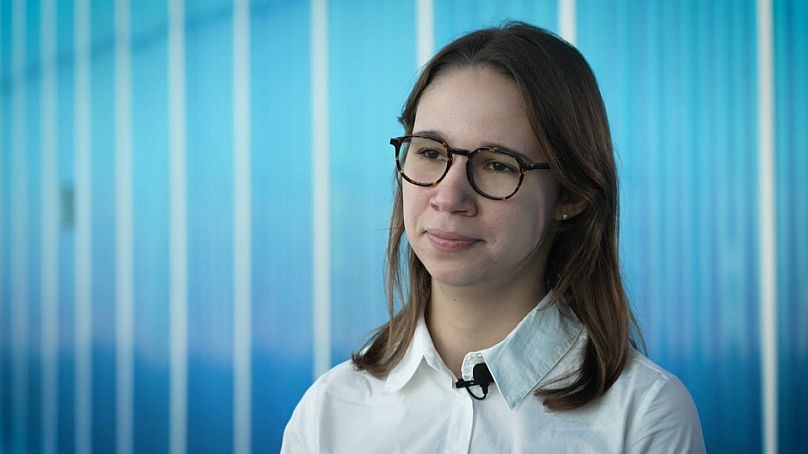
CEO Mariia Alipatova Highlights Solar Optic’s Value for Employees and the Environment
Solar Optic’s Chief Executive Officer Mariia Alipatova spoke with Business Planet about the dual impact of the company’s solutions on workforce health and sustainability.
Key Points from the Interview
- Worker Well‑Being: Alipatova emphasized the importance of reducing noise and introducing natural light in warehouse settings to combat employee depression and fatigue.
- Environmental Benefits: The adoption of Solar Optic’s technology cuts carbon emissions significantly.
- Cost Savings: Companies also see lower electricity bills thanks to the more efficient lighting systems.
Perspective on Europe’s SME Landscape
According to Alipatova, while Small and Medium Enterprises across Europe face numerous challenges, the region is brimming with innovative ideas aimed at building a sustainable economic future.
For instance, stakeholders are working together to develop greener business practices and supportive policies that encourage the uptake of clean technology.