Groundbreaking Robot-Assisted Kidney Surgery on UK Child
Recent Clinical Evaluation of the New Surgical Technology
Study Overview
The device was tested in a controlled clinical trial involving adult patients over a span of three years. Researchers focused on key outcomes related to postoperative care and recovery.
Key Findings
- Accelerated Recovery: Patients experienced a notable reduction in the time required to regain normal functioning.
- Reduced Postoperative Pain: Pain levels reported by participants were consistently lower compared to traditional procedures.
- Shortened Hospital Stay: Hospitalization durations were shortened, contributing to improved patient throughput.
Implications for Surgical Practice
These results suggest that integrating this device into routine surgical workflows could enhance patient outcomes, streamline recovery trajectories, and alleviate burdens on healthcare facilities.

First Child in the UK to Undergo Robot‑Assisted Kidney Surgery
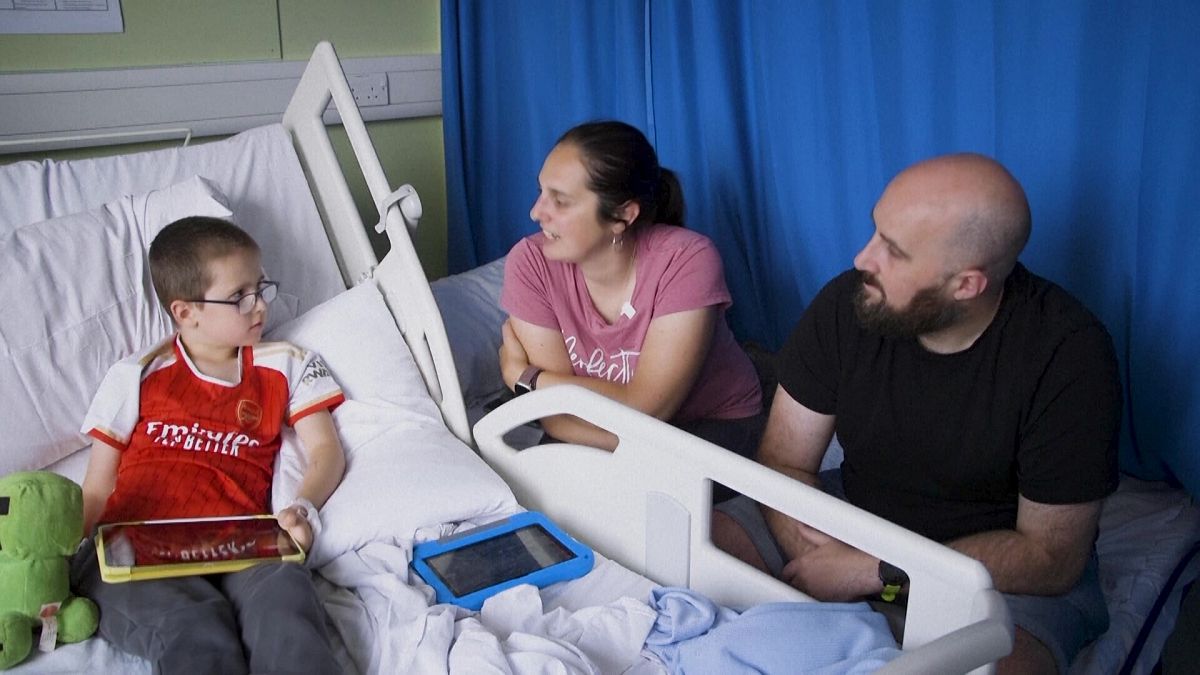
Reece, a seven‑year‑old patient, has become the first British child to receive kidney surgery using a cutting‑edge robot‑assisted device.
Background of the Case
Reece’s clinical problem was a blockage that impaired the flow of urine from his kidney. According to his mother, Elizabeth Wilton, the issue became apparent after a minor accident:
- He fell at a playground and, initially, felt fine.
- Later that evening, while playing with his father, he noticed haematuria—blood in his urine.
- Hospital scans ruled out trauma, but revealed an obstruction between the kidney and bladder where the ureter and renal pelvis were narrowed.
Traditional Surgical Options
Usually, such obstructions are treated with a laparoscopic pyeloplasty, which can be performed either:
- Through a large, open incision (hands‑on approach).
- Via small laparoscopic cuts on the abdomen.
Both approaches come with significant risks. Traditional laparoscopic instruments are straight shafts equipped with simple jaws and scissors, limiting the surgeon’s ability to manipulate sutures precisely around the fulcrum point.
Introducing the Robot‑Assisted Tool
Developed by Cambridge‑based CMR Surgical Ltd, the new device enhances precision by combining:
- Mini‑instruments that feature a fully wristed tip, offering greater reach and dexterity inside the body.
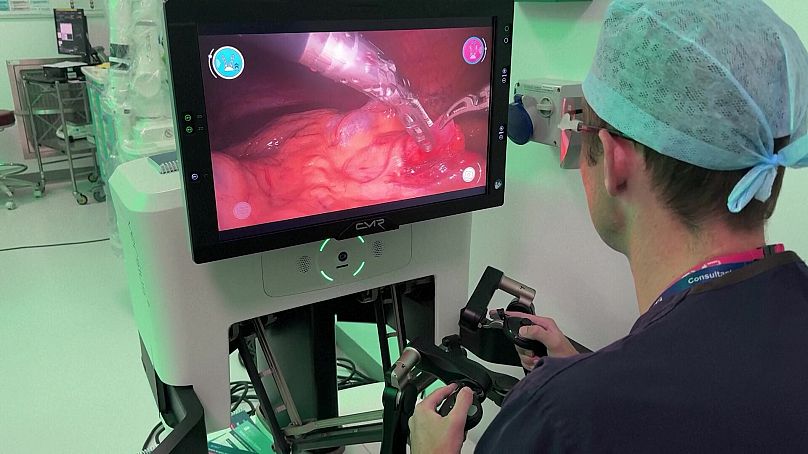
- A joystick‑like external handle, giving the surgeon intuitive control over movements.
- A high‑definition, magnified screen that provides detailed visualization of the operative field.
Despite its technology, the system remains entirely under surgeon control. It provides the benefits of a minimally invasive approach with the added accuracy and flexibility often associated with robotic surgery.
Expert Commentary
Ewan Brownlee, a consultant paediatric urologist at the University Hospital Southampton who performed the procedure, explains, “The robot-assisted mechanism retains the same small abdominal incision but replaces the straight, limited‑motion instruments with advanced wristed tools. This allows for smoother suturing and more precise manipulation of tissues during the operation.”
Impact and Future Prospects
Reece’s procedure marks a significant milestone, demonstrating that robot‑assisted technology can be safely applied to paediatric kidney surgery. It opens new possibilities for treating similar conditions with less invasiveness and improved outcomes for young patients.
Robot-assisted surgery increasingly common in the UK
Robotic Surgeons Are Transforming Cancer Care
In 2023, London’s Guy’s and St Thomas’ NHS Foundation Trust announced that almost every operation for prostate, kidney and lung cancers was carried out with robotic assistance. Over the past twenty years, the trust has carried out more than 10,000 robot‑fueled procedures.
Precision Devices Reach Younger Patients
Southampton Children’s Hospital highlighted how the robot’s advanced precision and maneuverability make it suitable for treating smaller, younger patients, expanding its benefits beyond adult oncology.
- Robotic systems enable finely tuned incisions.
- Improved manoeuvring shortens recovery periods.
- Adapted for pediatric applications.
Revolutionizing Pediatric Surgery with Advanced Robotic Technology
At University Hospital Southampton, consultant pediatric urologist Ewan Brownlee successfully performed a groundbreaking robotic-assisted operation on a young patient, Reece. The procedure was carried out using a sophisticated joystick-controlled robotic system, showcasing the potential of precision surgery in children.
Key Features of the Robotic System
- Enhanced 720‑degree range of motion for surgical arms.
- Allows miniaturized instruments suitable for delicate pediatric procedures.
- Proven fast recovery and reduced postoperative discomfort in adult trials over the past three years.
Family Perspective
Reece’s father, Ashley Wilton, expressed initial skepticism that quickly turned to confidence after learning the procedure was supervised by a skilled physician:
“I wasn’t sure at first, but once I understood it was a doctor guiding the robot, it made sense. The technology is incredibly advanced.”
Reece’s mother, Elizabeth Wilton, noted that after the surgery, her son is recovering well:
“He’s been a bit groggy, which is normal, but overall he’s healing nicely and returning to his usual self.”
Post‑operative Outcome
Reece was discharged the following day and is on track for a complete recovery. The surgery demonstrated the feasibility of minimally invasive techniques in pediatric patients.
Future Plans
Dr Brownlee highlighted the aim of expanding robotic-assisted procedures:
“My goal is to make these minimally invasive surgeries common worldwide, moving beyond limited open procedures.”
The Southampton Children’s Hospital will pursue a study involving 150 young patients to evaluate the device’s wider application.
Conclusion
This pioneering case underscores the emerging role of robotic surgery in treating children, promising smoother recoveries and reduced hospital stays.