EU Health Crisis: Staff Surge Amid Resource Shortfalls
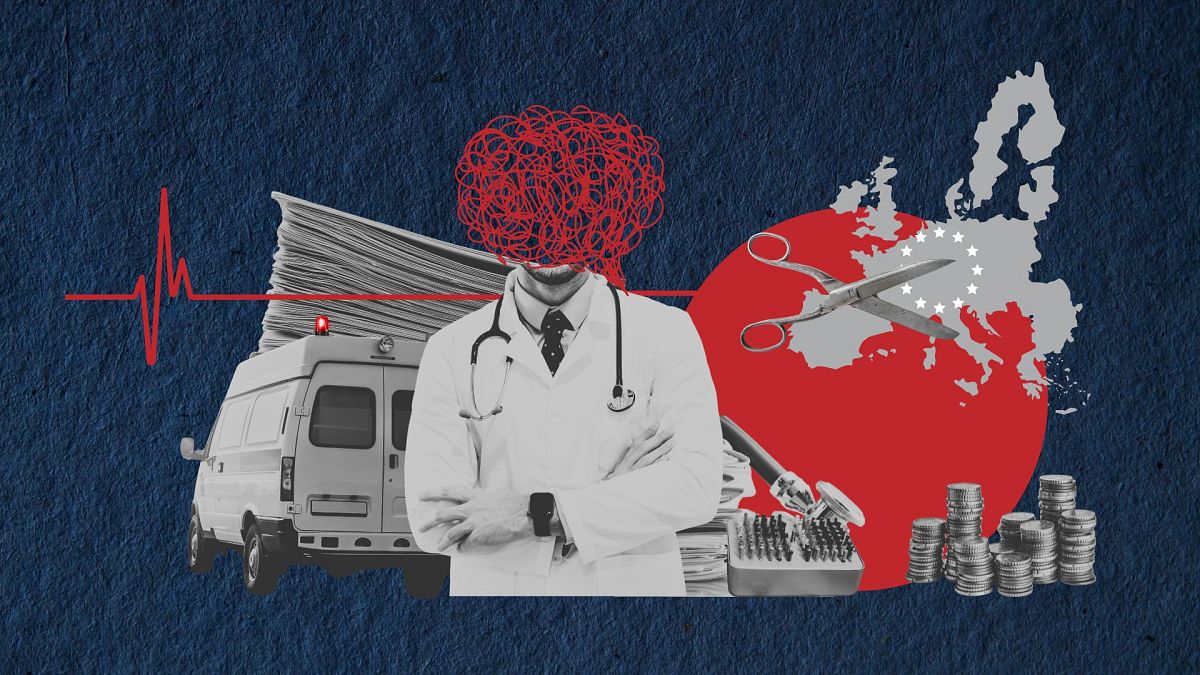
Hospital Workforce Challenges in Europe
Record‑level Shortages
- Across the continent, nations collectively reported a deficit of approximately 1.2 million doctors, nurses, and midwives in 2022.
- This shortfall underscores significant gaps in patient care capabilities amid growing healthcare demands.
Unexpected Staffing Surges
- Despite the widespread shortages, several European countries experienced record high recruitment figures for medical personnel during the same year.
- These exceptional hiring spikes highlight disparities in workforce distribution and differing national health strategies.
European Health Sector Faces Demographic Shift and Workforce Challenges
Population Aging and Working‑Age Decline
By 2050, OECD calculations predict 38 million more people aged over 65 and a loss of 26 million in the working‑age population. This projection points to a surge in individuals with greater care requirements alongside a shrinking labor pool.
“This trend will bring more people with higher needs while reducing the number of working adults,” said Gaetan Lafortune, Senior Economist and coordinator of Health at a Glance: Europe 2024.
Declining Interest in Health Careers
The OECD warns that fewer young people are choosing health professions, increasing pressure on already fragile staffing levels.
Frontline Protests for Better Pay and Conditions
- Healthcare workers across the EU have taken to the streets demanding improved wages and working environments.
- MEP Dennis Radtke (Germany/EPP) noted that these protests highlight the critical challenges — low pay and inadequate conditions — faced by clinicians.
- MEP Romana Jerković (Croatia/S&D) pointed out that low salaries, political instability, and poor working conditions drive workers either out of the field or toward opportunities abroad.
Dependence on Foreign‑Trained Professionals
European countries are increasingly filling domestic gaps with health staff trained overseas. While this mitigates local shortages, it can simultaneously worsen staffing deficits in the source nations.
Urgent EU‑Level Action Required
Jerković cautioned that without decisive measures at the EU level, existing inequalities in healthcare access will broaden, deepening the divide within the Union.
A sector in life support
Aging Health Workforce in the EU
By 2022, doctors across the European Union were reaching a stage in life where more than a third had entered the 55‑plus age group. In nearly half of the EU member states, that figure now exceeds 40 %.
Retaining Experienced Physicians and Ameliorating Shortages
The ongoing decision of many medical professionals to stay in practice beyond the typical retirement age has played a key role in preventing a rapid deterioration of staffing levels in numerous EU nations, according to a recent collaboration between the OECD and the European Commission.
“We underestimated how many doctors would either opt or feel compelled to continue working for financial reasons, which in turn has considerably alleviated the personnel deficit,” said economist Lafortune. “However, these seasoned workers will inevitably reach retirement.”
Dual Strategic Imperatives for Member States
- Graduate enough new doctors to fill the positions that will become vacant as veteran clinicians retire.
- Develop policies that make long‑career service attractive to those currently practicing.
Enhancing the Appeal of Medical Careers
Lafortune pointed out that the medical field must become more enticing if it wants to draw additional talent. He stressed the importance of ensuring that the roles are truly rewarding.
Addressing Psychosocial Stressors
MEP Jerković highlighted the necessity for the EU to intervene further in safeguarding practitioners from excessive stress. He also emphasised the need to curb burnout among healthcare workers.
Balancing Work Hours and Personal Life
Reducing hours of duty emerged as a potential strategy for attracting future recruits. “If doctors or nurses desire fewer hours to maintain a better work‑life equilibrium, then an expansion of the workforce will be required,” Lafortune contended.
Scale of the Shortage in 2022
According to the joint report, the EU experienced an estimated shortfall of about 1.2 million doctors, nurses, and midwives in the year 2022.
From reaction to prevention
The EU’s Strategic Response to the Health‑Worker Shortage
Just adding more doctors is not the sole answer, the OECD report confirms. The European Union must lead EU member states in the attraction, training and retention of competent, passionate health professionals.
Shifting the Focus: Prevention Over Reaction
Health policy at the EU level is now turning from emergency responses to proactive measures. The first mandate spotlighted the “Beating Cancer” initiative, while a fresh plan targeting cardiovascular disease is soon to be finalized by the European Council.
Innovation: Two Key Pillars
- Re‑organising Workflows – Flexible job sharing and delegation of tasks unfamiliar to physicians were widely adopted during the COVID‑19 pandemic (vaccinations were dispensed in pharmacies, for instance).
- Digital and AI Tools – Emerging technologies are boosting health‑worker productivity so that clinicians can dedicate more time to direct patient care.
Despite the rise of artificial intelligence and robotics, they cannot solve the workforce crisis alone. “We still need more human care providers,” concluded Lafortune, highlighting the continued demand for skilled professionals.
Looking Ahead
In the coming years, the EU will emphasize:
- Enhanced recruitment strategies for medical staff.
- Continuous professional development programmes.
- Long‑term retention frameworks to keep talent within the health system.