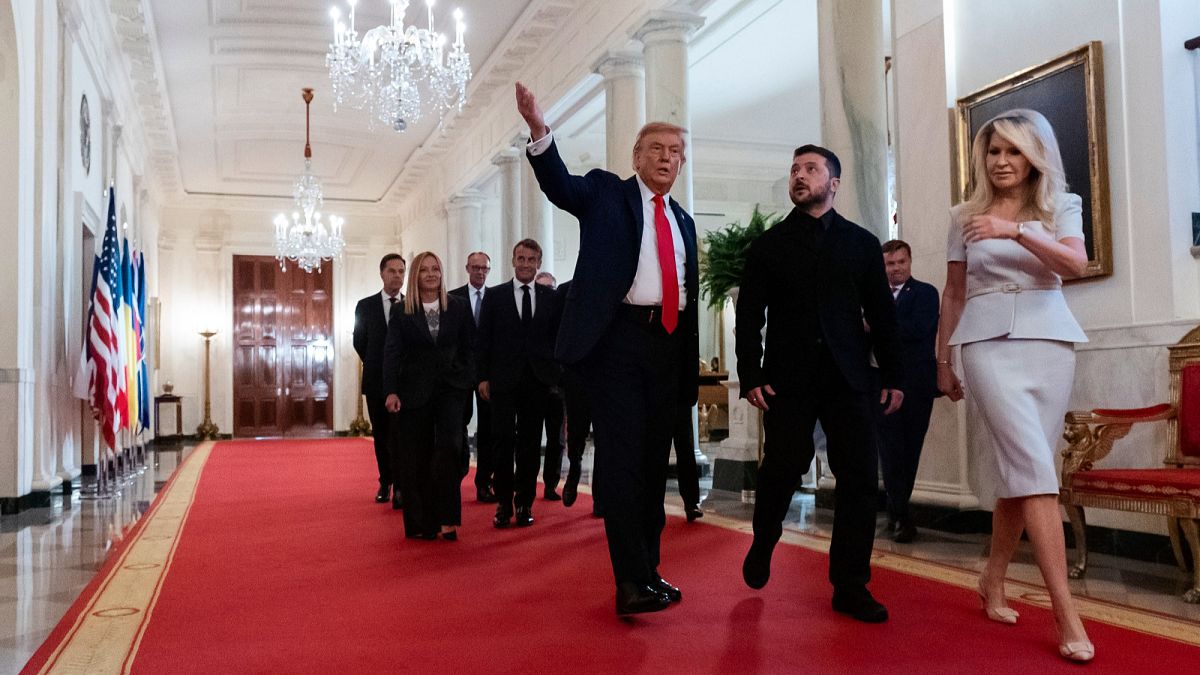
Trump launches 15% tariff assault on South Korean goods

U.S.–South Korea Trade Accord Marks New Chapter in Bilateral Commerce
President Donald Trump unveiled Wednesday a tariff framework that will apply a 15 % duty to goods moving from South Korea to the United States. The announcement followed the administration’s broader push to reshape global trade dynamics amid mounting tensions with key allies and competitors.
Key Provisions of the Trade Deal
- Tariff Rate – The U.S. will impose a 15 % duty on South Korean imports, a figure that sits below earlier threats of 25 % and aligns with tariff levels applied to trade partners such as Japan and the European Union.
- Investment Commitments – South Korea will channel $350 billion into U.S. projects and will schedule $100 billion for liquefied natural gas and other energy purchases.
- Additional Investment – Seoul has pledged a sizable, unspecified sum that the Trump administration says will be formally disclosed during an upcoming White House meeting with South Korean President Lee Jae Myung.
President Lee Jae Myung’s Bid to Strengthen Export Confidence
In a statement posted to Facebook, President Lee characterized the agreement as the first major trade challenge his administration has confronted since taking office in June. He emphasized:
- Uncertainty Reduction – The deal eliminates doubt surrounding export conditions and ensures U.S. tariffs on Korean products are either lower than or equal to those applied to other leading trade competitors.
- Manufacturing Revitalization – The agreement reflects U.S. interests in revitalizing its manufacturing sector and Korea’s determination to enhance its competitiveness in the American market.
Context and Strategic Rationale
Lee was elected in a snap vote following the impeachment of his predecessor, Yoon Suk Yeol, for a controversial martial‑law declaration in December. Now at the helm of Asia’s fourth‑largest economy—whose export‑heavy model depends heavily on global demand—the trade deal represents an early victory for Lee’s tenure.
Donald Trump’s Broader Tariff Strategy
Since returning to the White House in January, Trump has applied a sweeping 10 % tariff on allies and competitors alike and has set rates to increase on August 1 for dozens of economies. In contrast to the 15 % tariff for South Korea, Trump also placed 25 % tariffs on imports from India and 50 % tariffs on those from Brazil, a figure partly retaliating against what Trump has called a “witch hunt” against Brazil’s former president, Jair Bolsonaro, who is currently facing a criminal trial.
By aligning tariff levels with other trade partners and committing substantial investment, the U.S.–South Korea accord underscores a mutual pledge to deepen economic partnership while navigating an increasingly complex global trade environment.