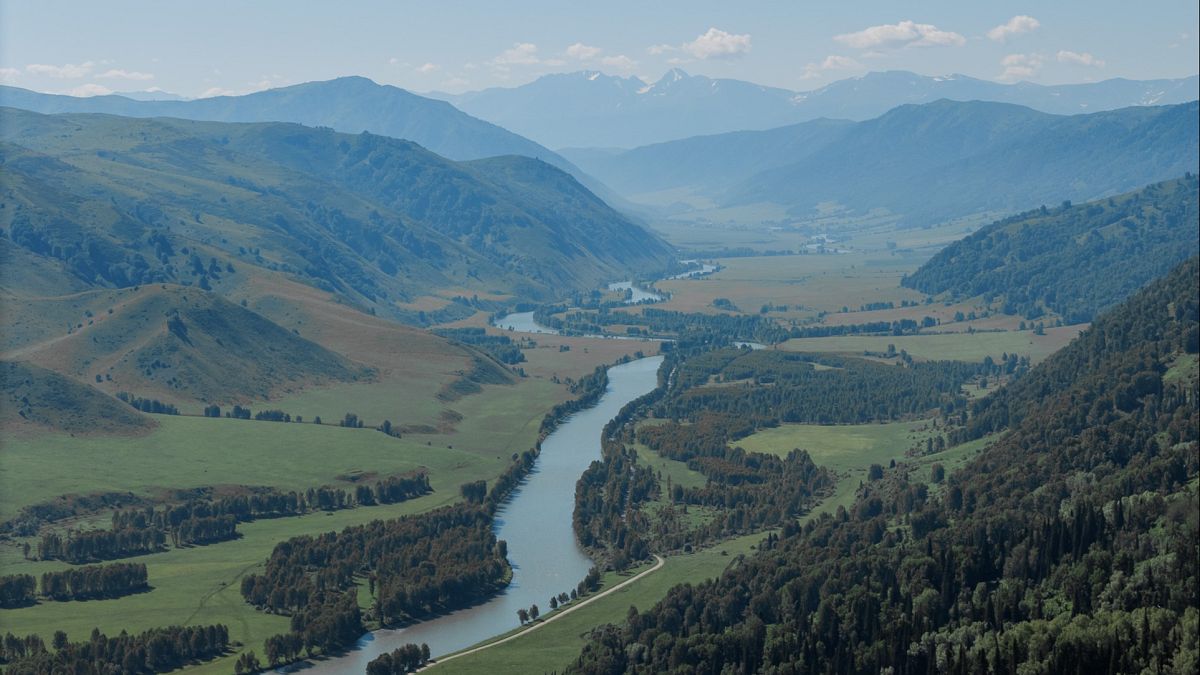
New Zealand farmers fight pine forests to protect sheep

Sheep Farmers Protest Pine Plantations
In New Zealand, sheep‑raising farmers are fighting to stop pasture land being converted into fast‑spreading pine forests that receive government subsidies to offset carbon emissions.
Government “Moratorium”
- In December, the government paused any new farm‑to‑forest conversions that were not already in progress.
- Farmers claim forestry companies are ignoring the clampdown.
“Save Our Sheep” Campaign
Last month, farmers launched a campaign titled Save Our Sheep to reverse the loss of productive farmland.
Sheep Numbers Decline
Official figures show sheep numbers have dropped to around 23 million from a peak of about 70 million in the 1980s.
Three main forces have driven the decline:
- Falling wool prices and rising milk and beef costs.
- Emissions trading since 2008.
- Profitability of pine forests.
Investigating Breaches
The government is investigating potential breaches of its moratorium by forestry companies that have been buying farmland as recently as June.
Federated Farmers, a lobby group for rural communities, submitted a list of properties they believe have been sold for carbon forestry since the halt.
The federation is concerned about the sale of more than 15,200 hectares (37,600 acres) of farmland.
Farmer Testimony
Dean Rabbidge, who runs a farm outside the Southland town of Wyndham, said some of the newly purchased farms had already been planted with pine trees.
“They’re just ploughing on ahead, effectively giving the middle finger to the government announcement,” Rabbidge told AFP. “It’s criminal what’s happening.”
Government Response
Agriculture and Forestry Minister Todd McClay said the law would be changed by October to clarify what qualifies as legitimate evidence of a pre‑December investment and to assess specific cases properly.
He added that anyone who has bought land since December 4, 2024, regardless of whether trees were planted, will not be able to register this land into the emissions trading scheme.
Changing Landscape
Rural New Zealand once abounded with rolling pastures, but Rabbidge says those days are gone.
“You’ll no longer see any grazing land; all you’ll have are long pine tree tunnels—shaded, wet, and damp.”
Balancing Trees and Sheep
New Zealand is unique in allowing 100 % of carbon emissions to be offset by forestry.
Ben Fraser, a sheep farmer near Ohakune, said he is not opposed to planting trees in natural areas that are idle.
However, the trading scheme has caused an excessive loss of sheep pasture to forestry.
Economic Impact
Fraser noted that since 2018, 17 farms have been converted to forestry, accounting for about 18,000 hectares. This equates to the loss of roughly 180,000 sheep and lambs from the district.
He said the local economy suffers because farms thrive, towns thrive, and businesses such as suppliers, supermarkets, and butcher shops rely on farming activity. The loss of sheep leads to fewer customers, less revenue, and fewer school children.
Southland Perspective
Rabbidge echoed this, saying businesses anticipate a 10‑15 % revenue reduction for the coming financial year due to properties sold or planted as pine forests.
Broader Concerns
Sheep farmers argue they are actively reducing emissions, cutting them by more than 30 % since the 1990s.
Rabbidge highlighted how a leg of lamb from New Zealand, including transportation, can have lower emissions than a British farm product.
“All our production is outdoors, at low cost and moderate intensity,” he added, stressing the environmental benefits of sheep farming over intensive indoor livestock systems.