Armenians torn between hope and skepticism after deal with Azerbaijan

Peace Agreement Signed Between Armenia and Azerbaijan Under U.S. Oversight
Historic Trilateral Signing Takes Place in White House Dining Room
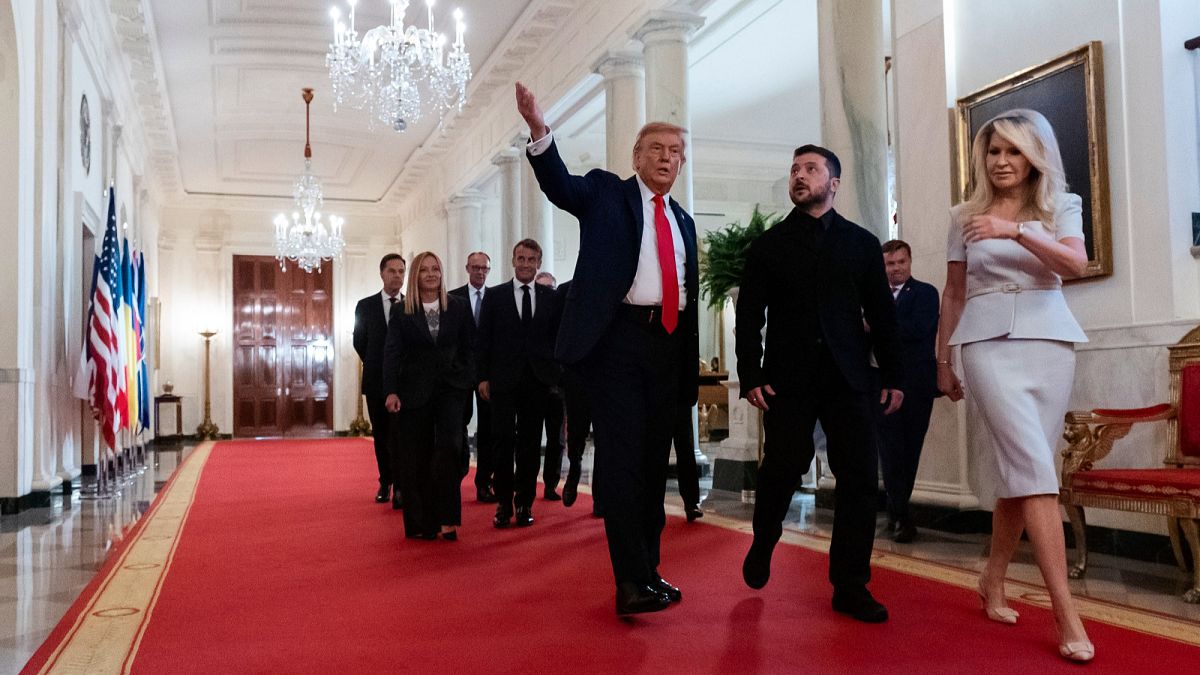
On August 8, 2025, Armenian Prime Minister Nikol Pashinyan, U.S. President Donald Trump, and Azerbaijani President Ilham Aliyev convened in the State Dining Room of the White House to finalize a peace treaty that aims to end the long‑standing conflict over the Nagorno‑Karabakh region.
Reactions From Yerevan Residents
- Asatur Srapyan, 81, views the treaty as a necessary step but worries that Armenia lacks an army and a strong ally.
- Maro Huneyan, 31, deems the pact acceptable provided it aligns with Armenia’s constitution.
- Anahit Eylasyan, 69, opposes the creation of a transit zone that would allow Azerbaijan to connect Nakhchivan to the rest of the country, expressing fears of losing control over Armenian territory.
- Shavarsh Hovhannisyan, 68, critiques the agreement as a mere administrative formality and accuses Prime Minister Pashinyan of abandoning Russia and Iran.
Trump’s Perspective on the Treaty
President Trump announced that the signing commits both nations to: cease all conflict permanently, open commerce, travel, and diplomatic relations, and respect each other’s sovereignty and territorial integrity.
Expert Analysis
- Olesya Vartanyan, independent researcher focusing on the Caucasus, affirms that the Washington agreement “brings greater stability and more guarantees for the months, if not years, to come.”
- She cautions that the deep‑rooted tensions might limit the treaty’s effectiveness to the short term rather than a lasting solution.